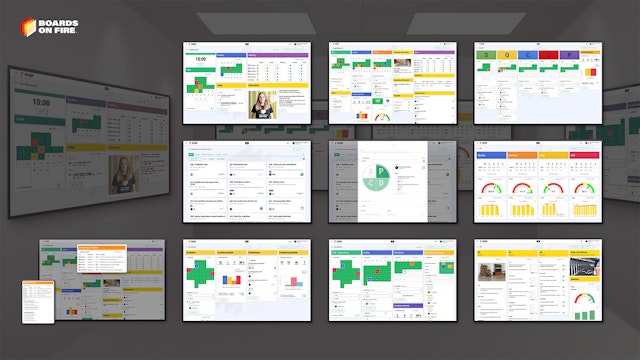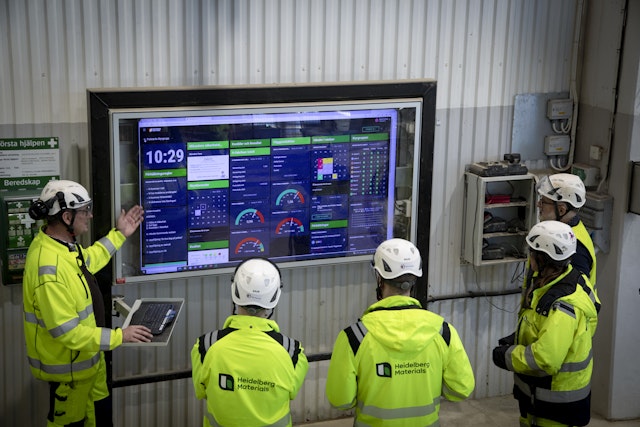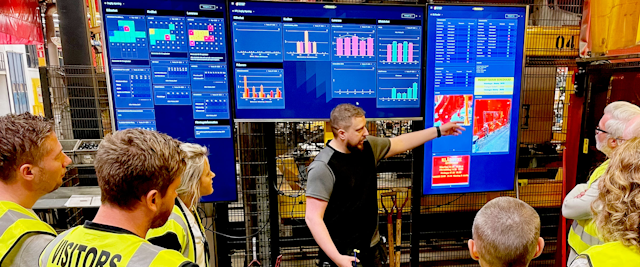

Digital dashboards that help you identify deviations and make the right decisions.

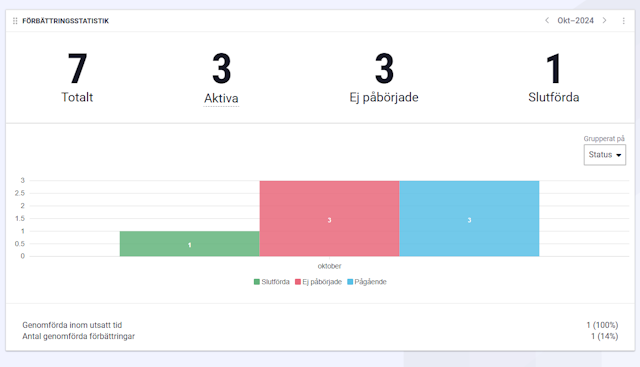
Capture your deviations and turn them into improvements
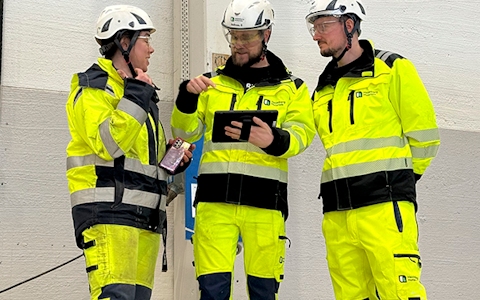
Continuous improvement, Kaizen boards, PDCA and other tools.
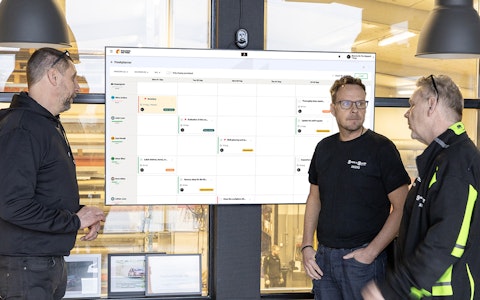
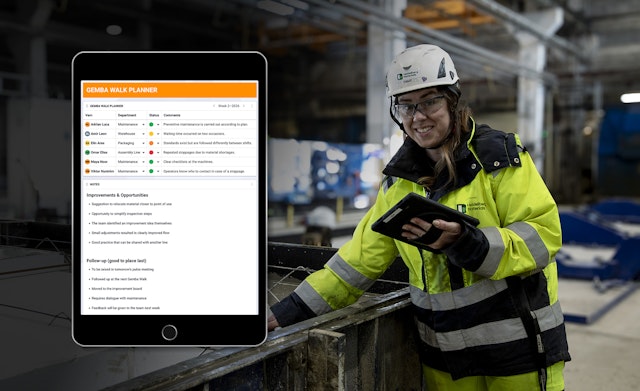
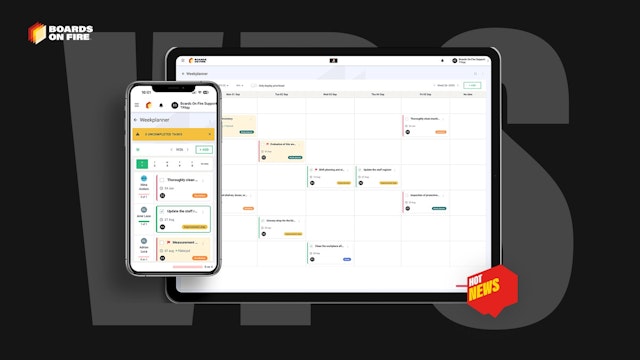
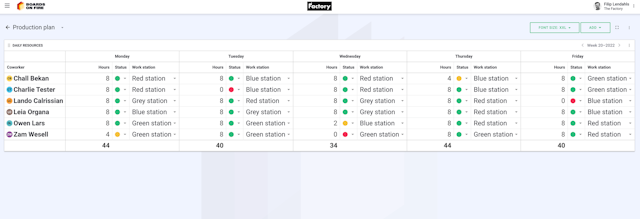
All your team’s tasks, neatly organized in one weekly view.
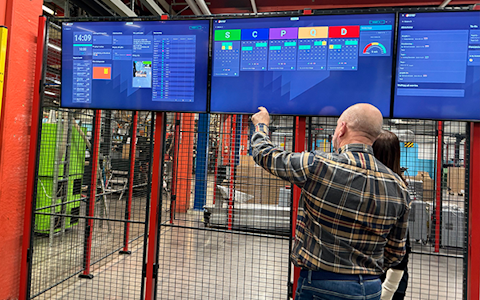
Improve key performance indicators within your specific focus areas with our SQCDP board.

Use the PDCA cycle as a tool to improve both quality and processes
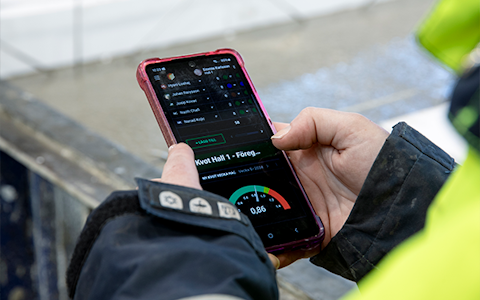
Digital tools for 5S work, recurring audits, and a well-organized workplace.
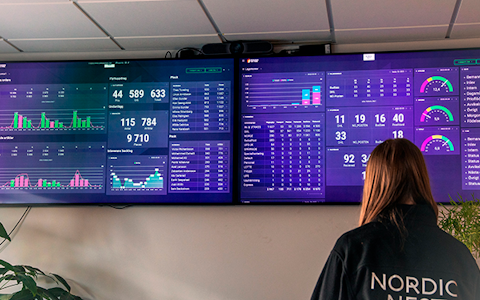
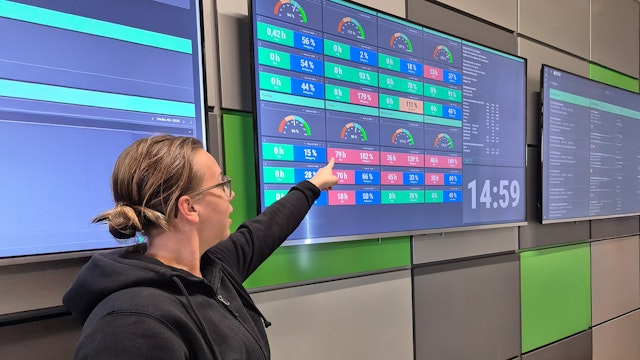
Visualize KPIs and communicate effectively throughout the entire organization.

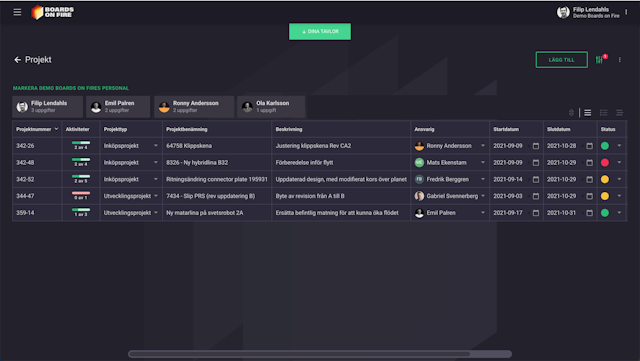
Basic project management and activity boards.
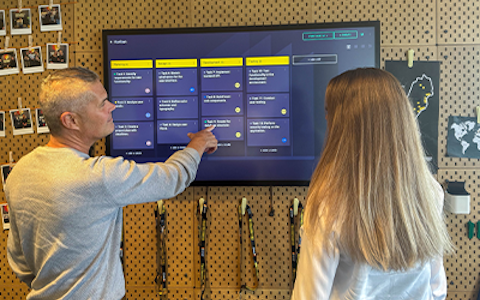
Kanban is a powerful method for visualizing, managing, and optimizing workflows.

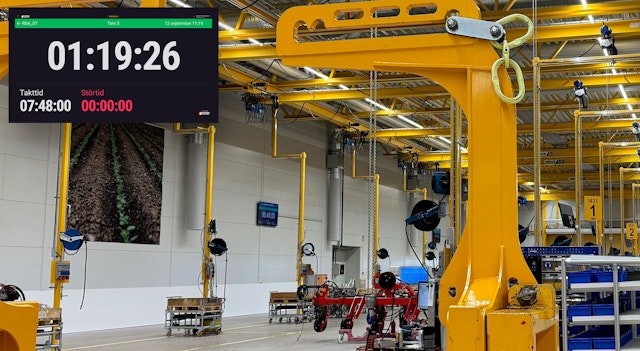
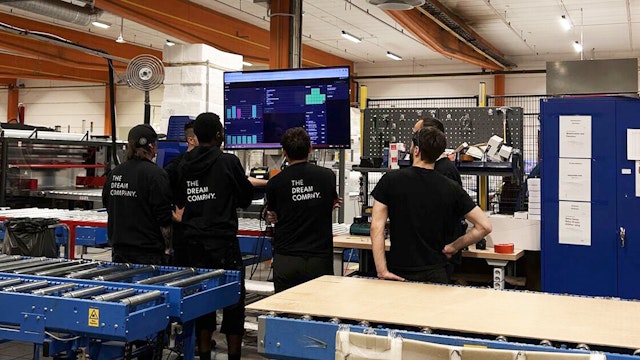
Digital dashboards for takt time flow with takt time counter and stop time log.
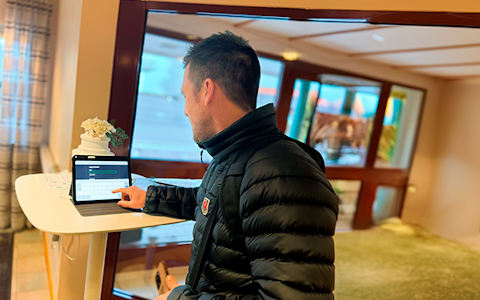
Digital visitor registration provides full control over all planned and executed visits to your business.
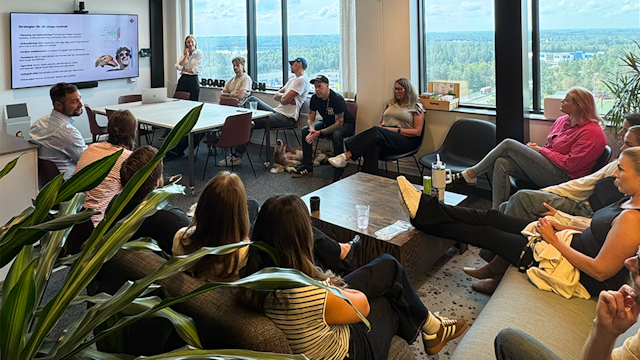
What are the benefits of pulse meetings, and how do you run them? In this guide, we cover the different types of pulse meetings, roles and responsibilities, tips for running effective meetings, and how digital management with Boards on Fire can make them smoother and easier to oversee.
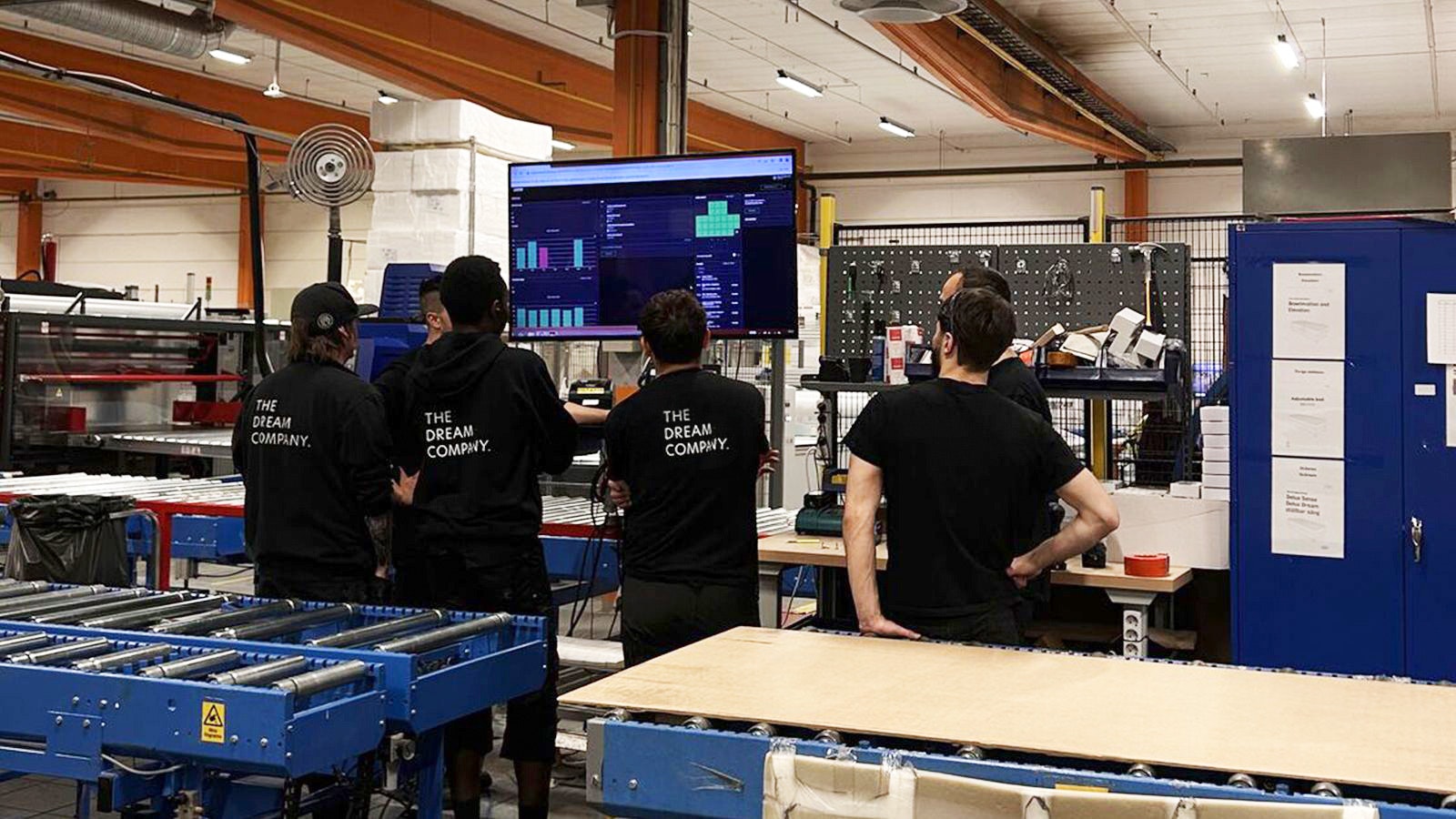
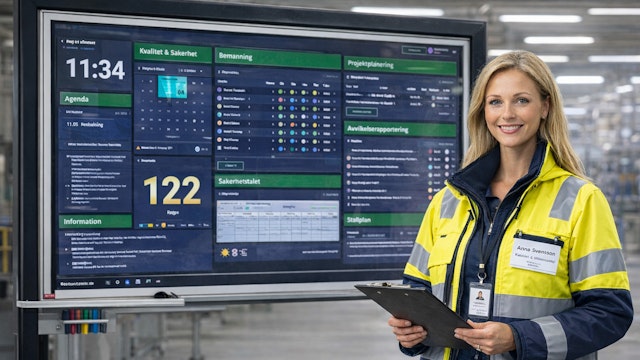
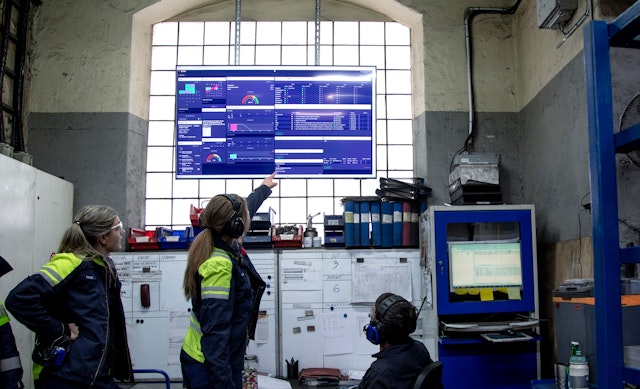
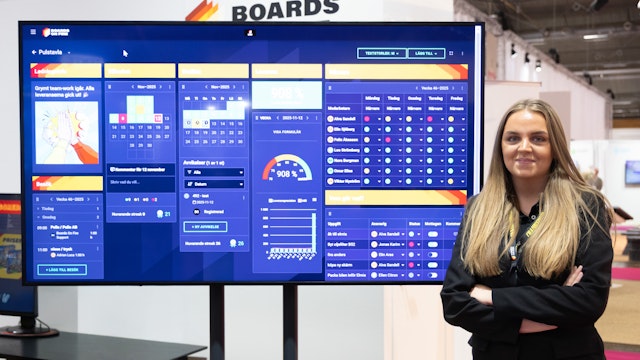
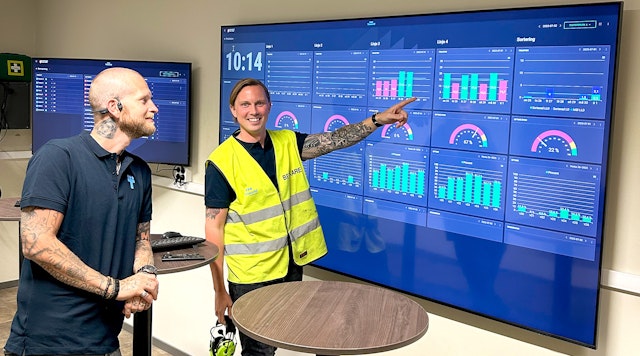
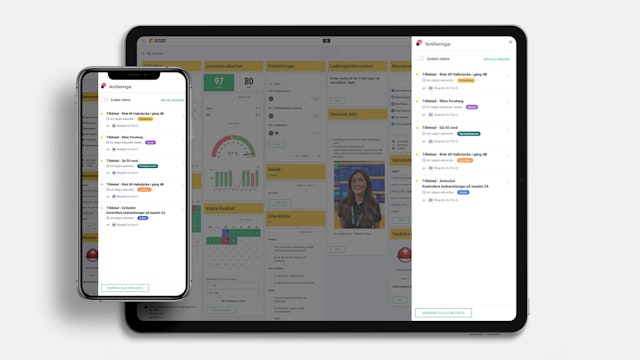
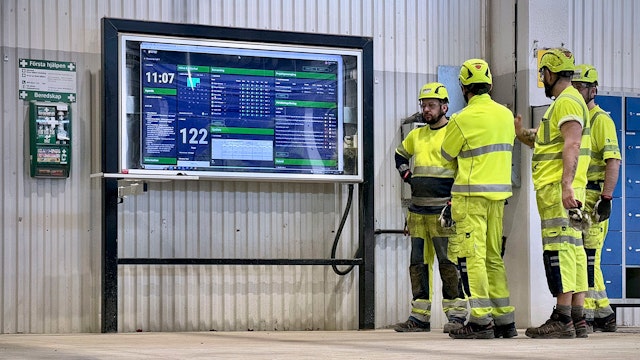
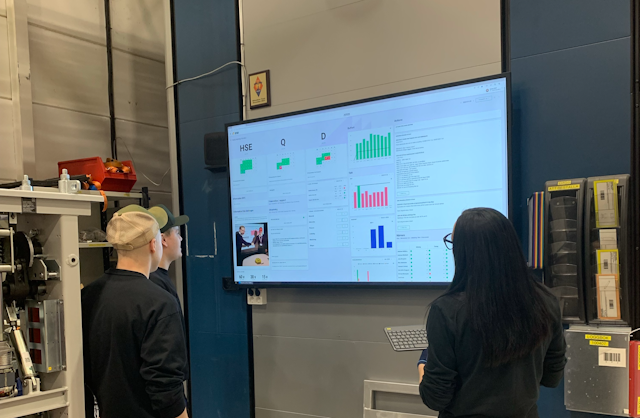
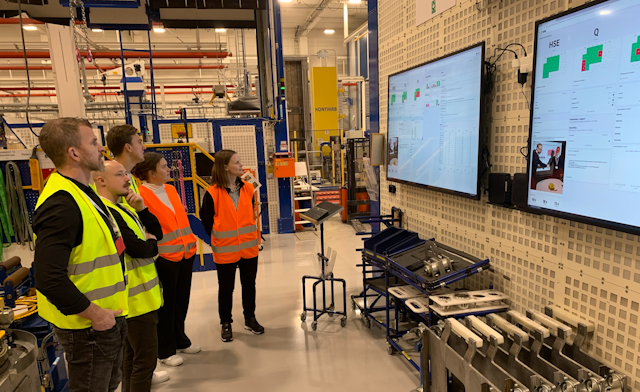
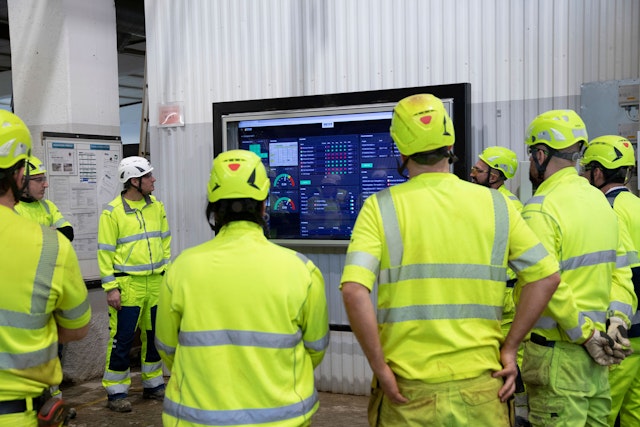
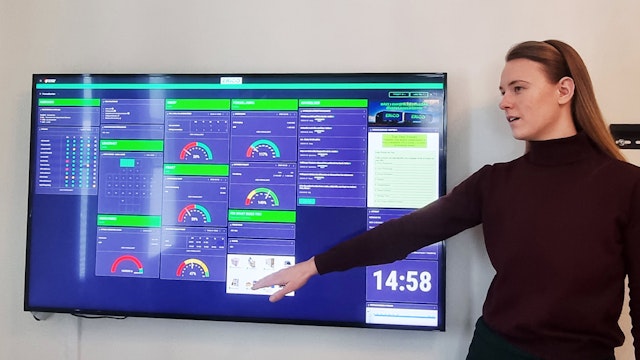
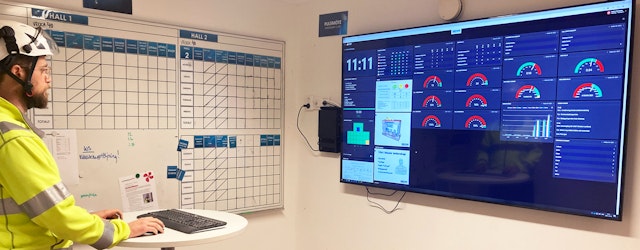
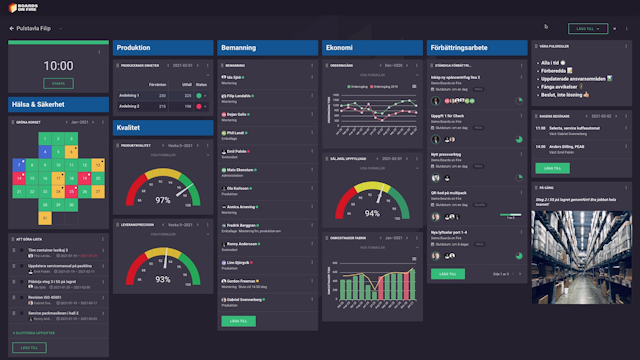
At Boards on Fire, we love pulse meetings and know what it takes to make them run smoothly and efficiently. With our digital solution for daily management, you get everything in one place: key metrics, checklists, staffing boards, deviation management, and tools for continuous improvement. Information can be quickly visualized and aggregated across the organization, making it easy to track important metrics and make informed decisions.
With digital daily management, you can reduce double entry and securely store important data. Previous decisions and actions also become more accessible, making it easier to track progress over time, analyze trends, and drive continuous improvements.
The best part? Our boards are fully customizable, so we can create the perfect solution tailored to your team and your processes.
Ready to get started with digital daily management in Boards on Fire? Click here!
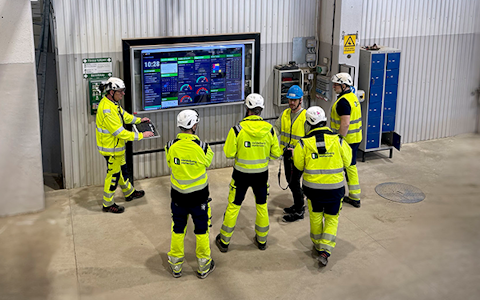
A pulse meeting can be described as a short, recurring meeting held daily with the purpose of reviewing organizational goals, highlighting important issues, and identifying deviations that need to be addressed. These meetings are usually brief, around 15 minute, to focus on what matters most. Daily pulse meetings make it possible to detect problems early, delegate tasks, raise improvement suggestions, and much more. This, in turn, can lead to higher morale and increased collaboration.
The format of a pulse meeting can vary depending on its purpose and needs, but they are generally divided into three main types. All share a common feature: they last around 15 minutes, giving the team a quick overview of the situation and the opportunity to coordinate their work.
1. Information Meetings: In these meetings, participants take turns briefly presenting what they are currently working on. Questions may arise during the presentations, ensuring the entire team receives the same information and a clear picture of the situation.
2. Coordination Meetings: Similar to information meetings, but focused on sharing the information the team needs to work effectively. No specific person needs to lead the meeting, although having a prepared agenda is still beneficial.3. Dialogue Meetings: Used for deeper discussions where all participants actively speak and listen. The goal is to explore what needs to be done and why, while engaging the team in decisions and ideas. Dialogue fosters understanding, trust, and team involvement.
In most cases, pulse meetings are led by a person with a leadership role, such as a production manager, who ensures that the meeting stays on schedule, follows the agenda, and maintains focus. As mentioned in the section 'Three Types of Pulse Meetings,' the leadership role can vary depending on the purpose and needs of the meeting.
All participants are responsible for sharing relevant information, actively listening, and following up on their tasks. The team as a whole is responsible for documenting decisions and ensuring that actions are carried out.
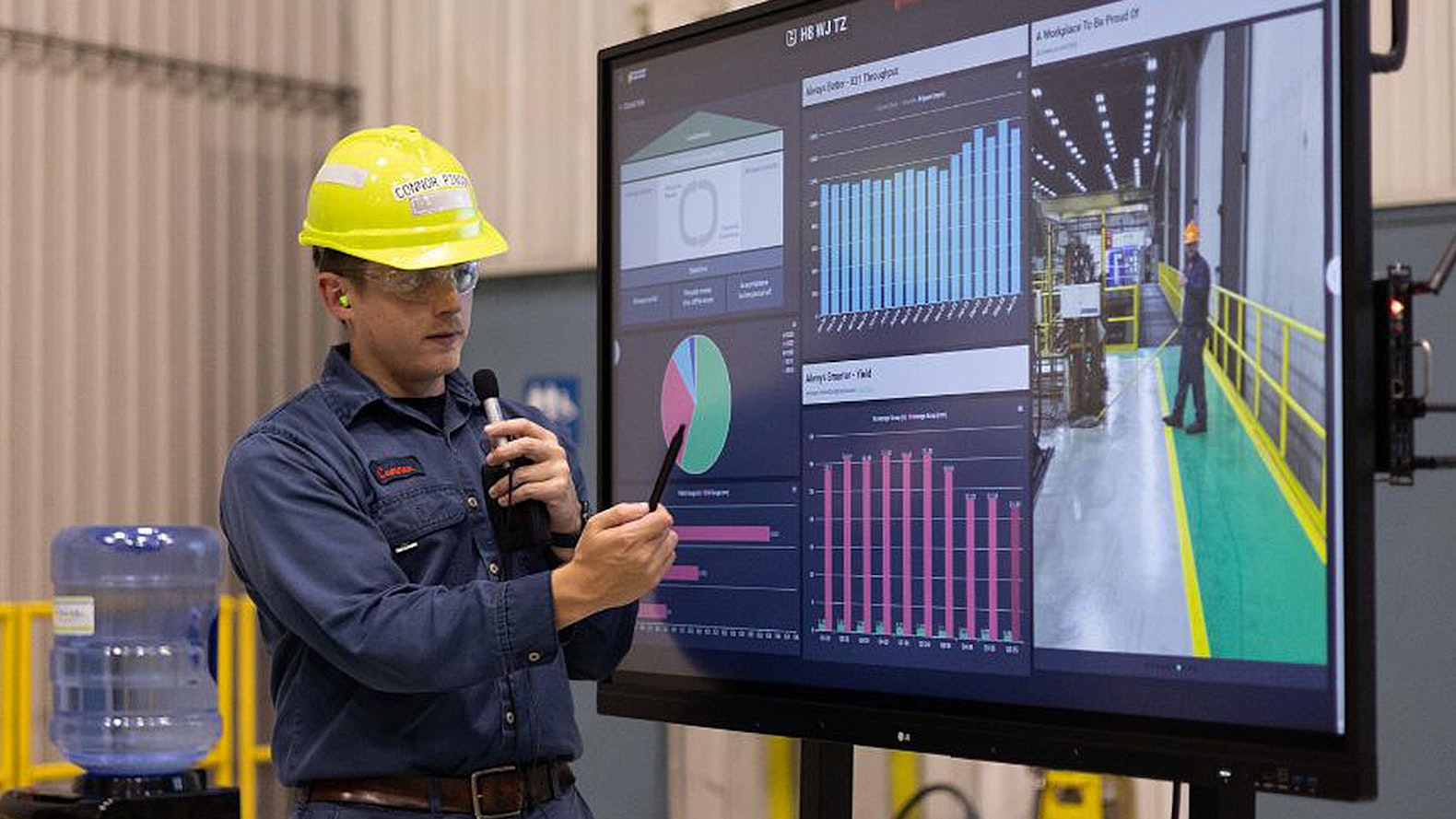
Create a meeting the team wants to attend. Encourage everyone to participate actively, make it a positive daily routine, and fill it with engagement and relevant insights. Share something fun, inspiring, or positive happening in the team or organization or highlight special achievements. This sets the tone and gets everyone engaged from the start.
Include a few minutes for feedback and questions. Before closing the pulse meeting, it’s wise to set aside a few minutes for feedback and questions. Important points or clarifications often come up at the end of the meeting, and this time allows the team to address them without disrupting the main focus. It strengthens understanding, ensures everyone is on the same page, and fosters open dialogue.
Write down the topics discussed during the meeting. Even though meetings are short, it’s still a good idea to note everything discussed so that all team members can follow up. Some topics may need to be revisited later, and writing them down ensures nothing gets forgotten.
Happens at Boards on Fire
Free web demo