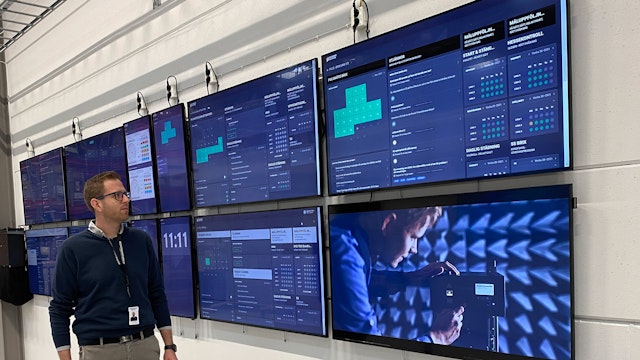
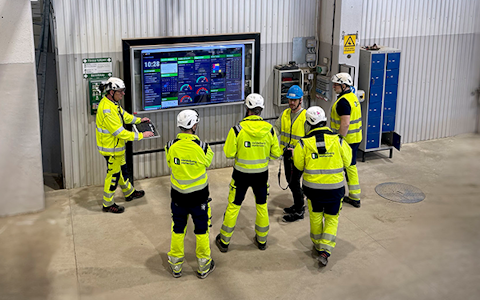
Digital dashboards that help you identify deviations and make the right decisions.
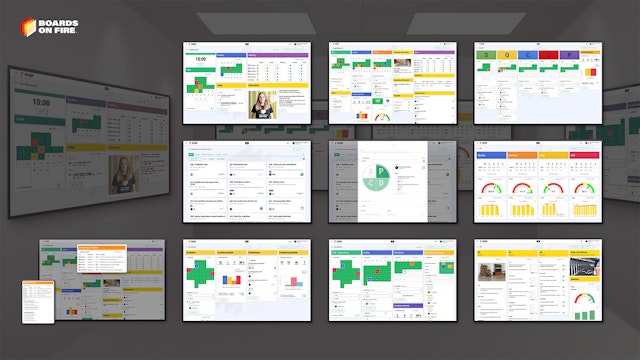
Continuous improvement, Kaizen boards, PDCA and other tools.
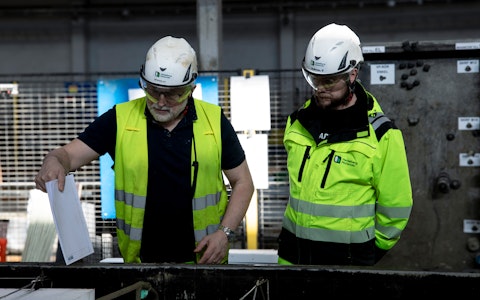
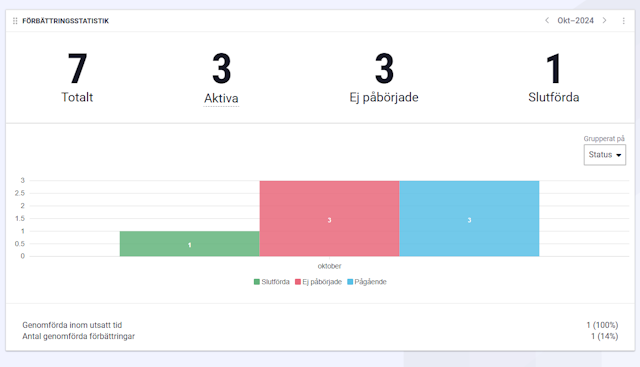
Capture your deviations and turn them into improvements

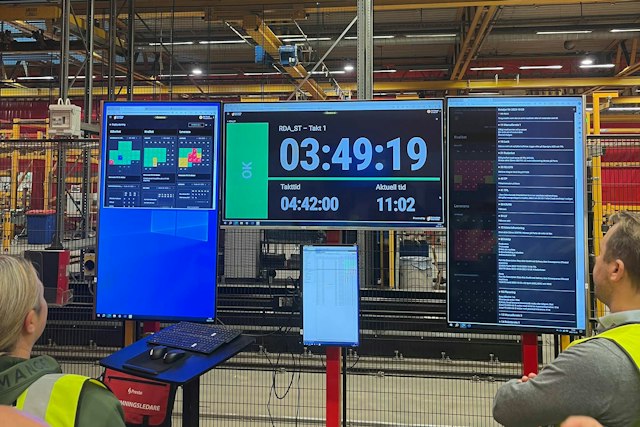
Real-time control for takt-based production. Detect disruptions as they happen, respond faster, and keep production on pace.

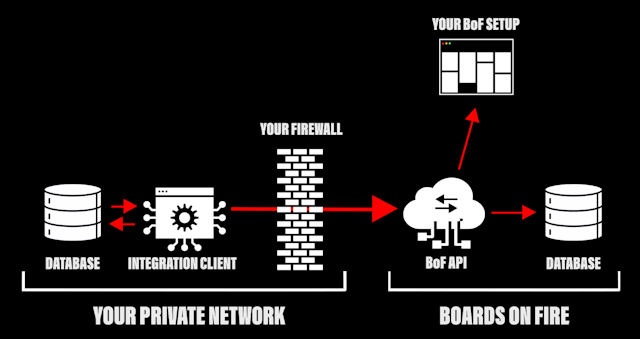
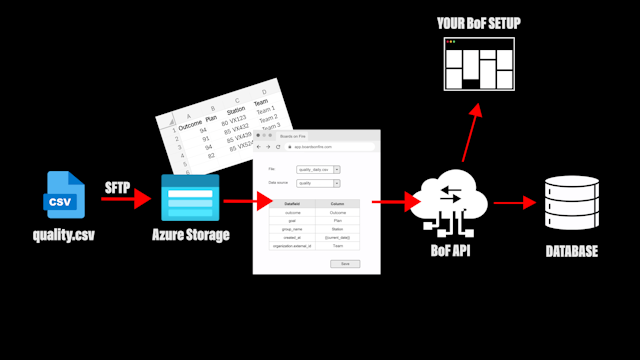
Integrate Boards on Fire with ERP, MES, OEE, Power BI and other systems. Automate data flows, reduce administration and act faster.
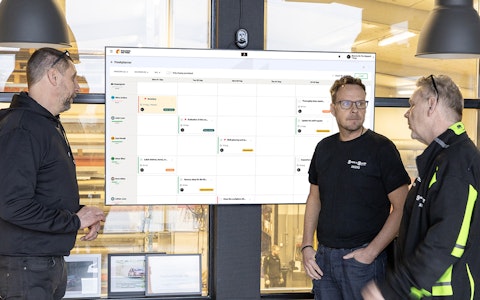
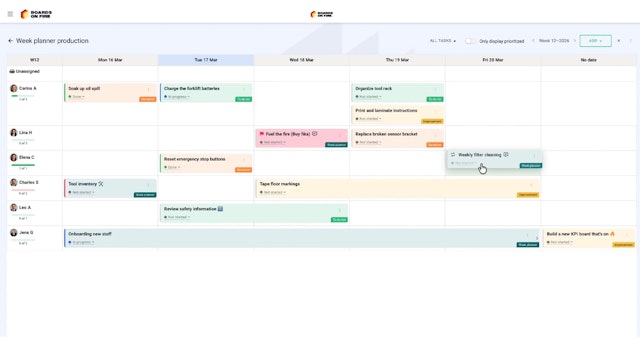
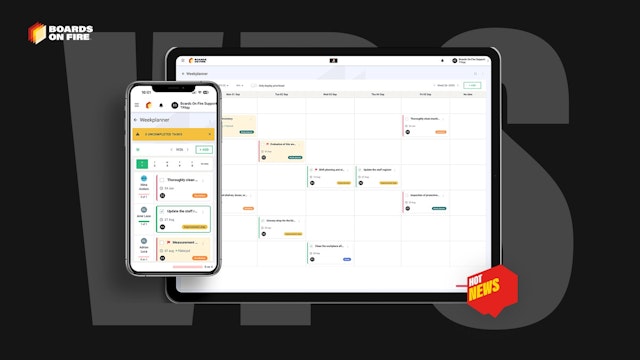
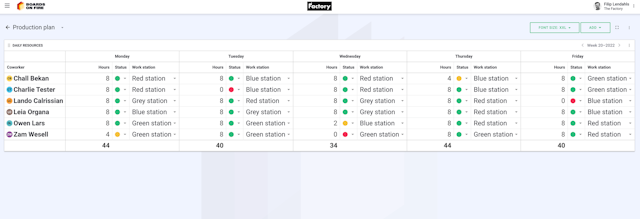
All your team’s tasks, neatly organized in one weekly view.
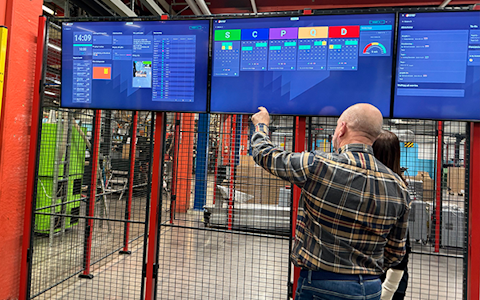
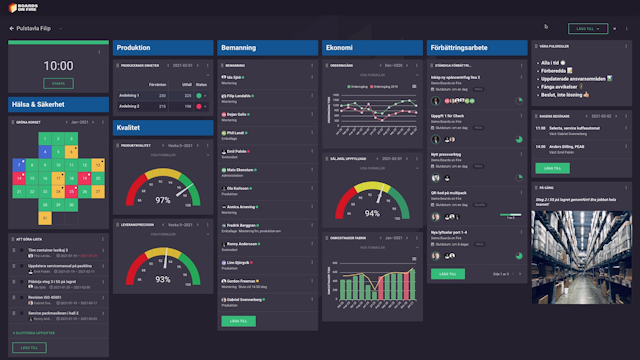
Improve key performance indicators within your specific focus areas with our SQCDP board.
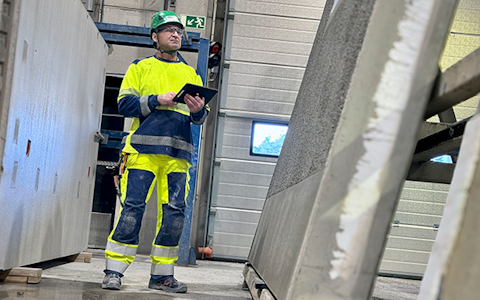
Use the PDCA cycle as a tool to improve both quality and processes
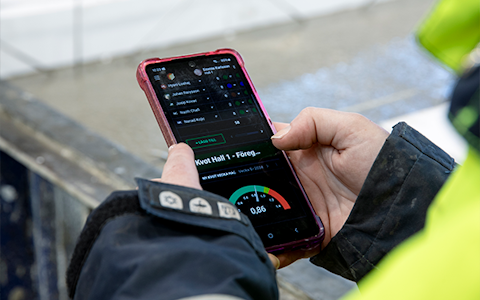
Digital tools for 5S work, recurring audits, and a well-organized workplace.
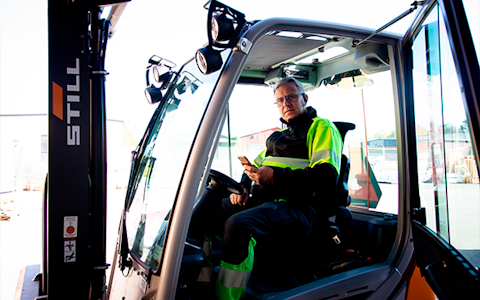
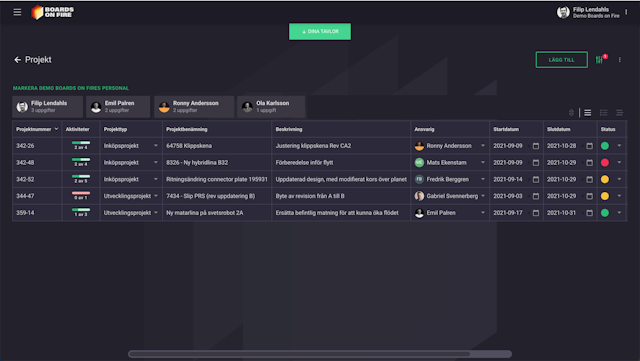
Basic project management and activity boards.
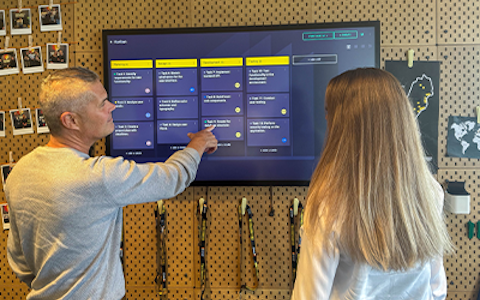
Kanban is a powerful method for visualizing, managing, and optimizing workflows.
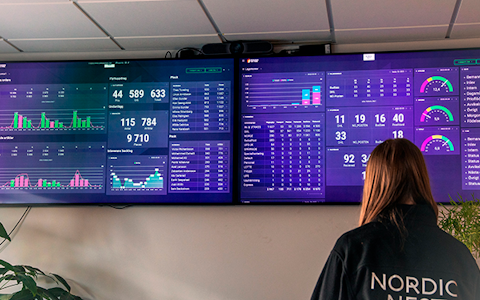
Visualize KPIs and communicate effectively throughout the entire organization.
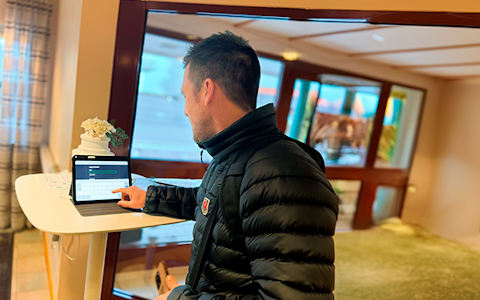
Digital visitor registration provides full control over all planned and executed visits to your business.
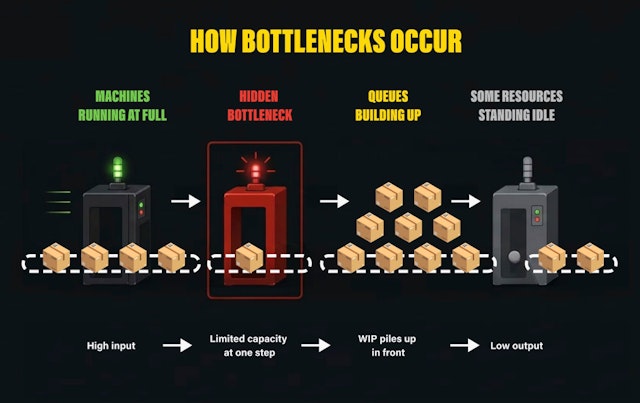
Unplanned downtime, rework, and delays are some of the most costly challenges in the manufacturing industry. Behind every disruption there is often a combination of limited visibility, inefficient work processes, and restricted access to up-to-date production data. By understanding where problems occur, and how they affect operations, companies can create better conditions for a more stable, transparent, and data-driven production.
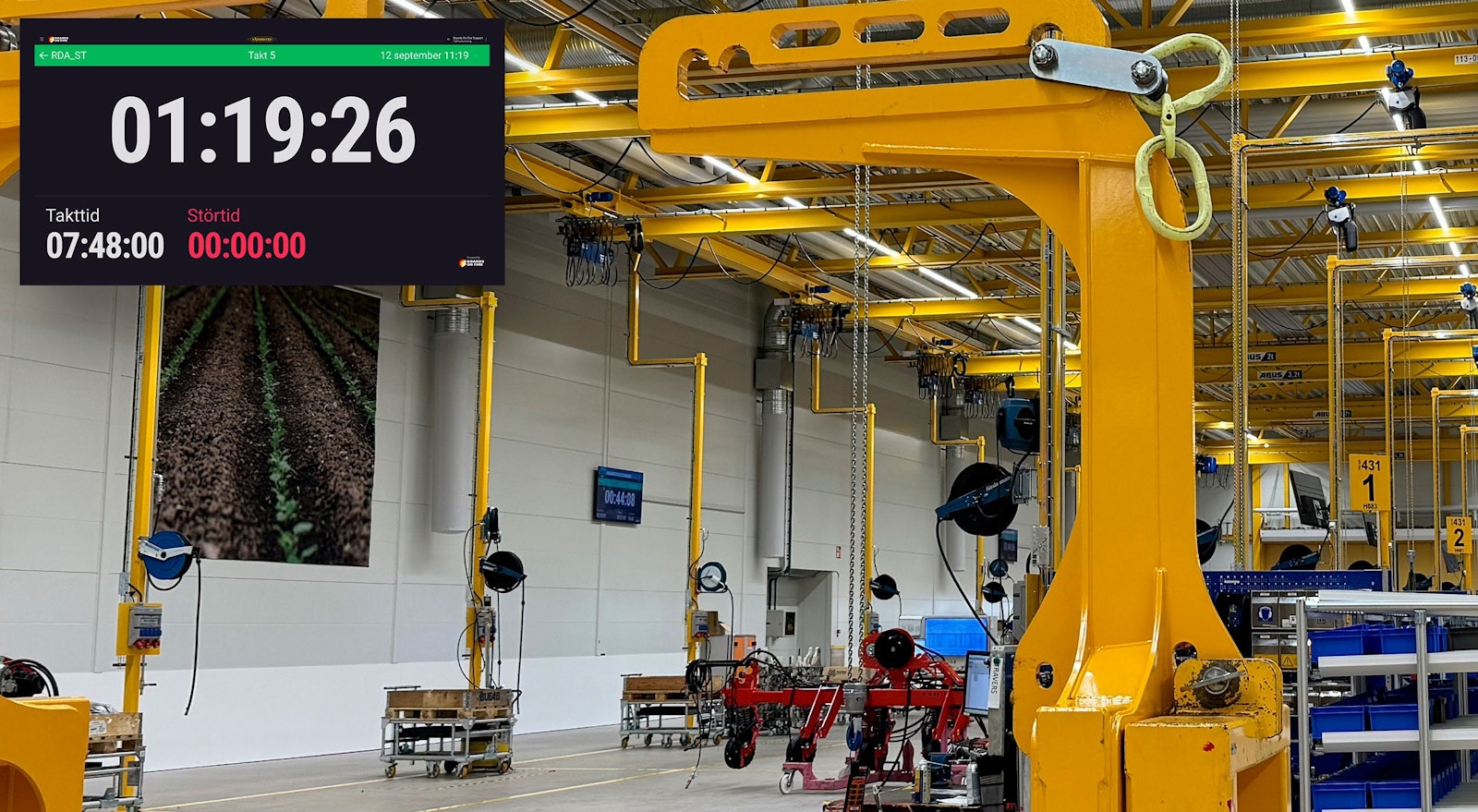
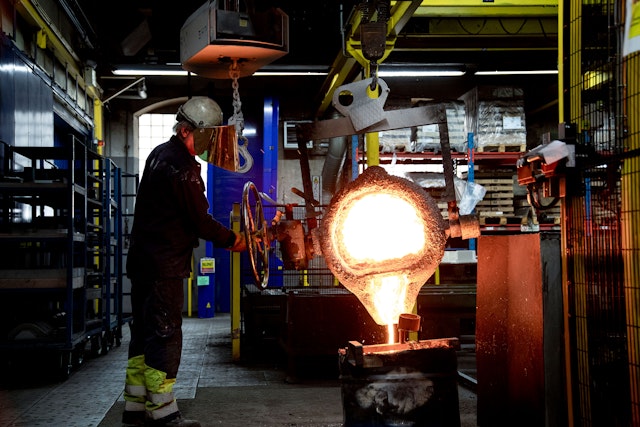
In many manufacturing companies, production is carefully planned. Machines, materials, and people work together to maintain a steady flow through the factory. But when production suddenly stops, conditions can change rapidly.
Unplanned downtime affects more than just the machines on the production floor. Deliveries may be delayed, personnel resources may need to be reassigned, and in some cases even customer relationships can be impacted. Ultimately, it comes down to something every organization depends on: profitability.
In many cases, the issue is not only technical. Organizations often lack a shared and up-to-date view of what is actually happening in production.
According to a 2024 report from Siemens, unplanned downtime is estimated to reduce annual revenue by around 11 percent for the world’s largest industrial companies. Globally, this corresponds to losses of approximately $1.4 trillion per year, meaning the industry collectively loses more than $160 million every hour due to unplanned downtime.
The cost of downtime largely depends on the type of production involved. In operations where production is automated, complex, or dependent on precise timing, costs can escalate quickly.
According to Siemens, the average cost per hour is estimated at approximately:
When production stops, it is rarely just a technical issue. It also involves lost capacity, increased costs, and in some cases even lost business opportunities.
Downtime rarely occurs due to a single factor. More often, it is the result of a combination of technical, organizational, and operational factors within production that together disrupt the flow.
Technical issues are a common cause, but work processes, information flows, and the work environment can also influence how stable production is. Small deviations in routines or communication can, in some situations, have greater consequences than initially expected.
Examples of factors that may contribute to downtime include:
Through clear processes, strong communication, and well-functioning routines, many of these situations can be prevented, reducing the risk of disruptions in production.
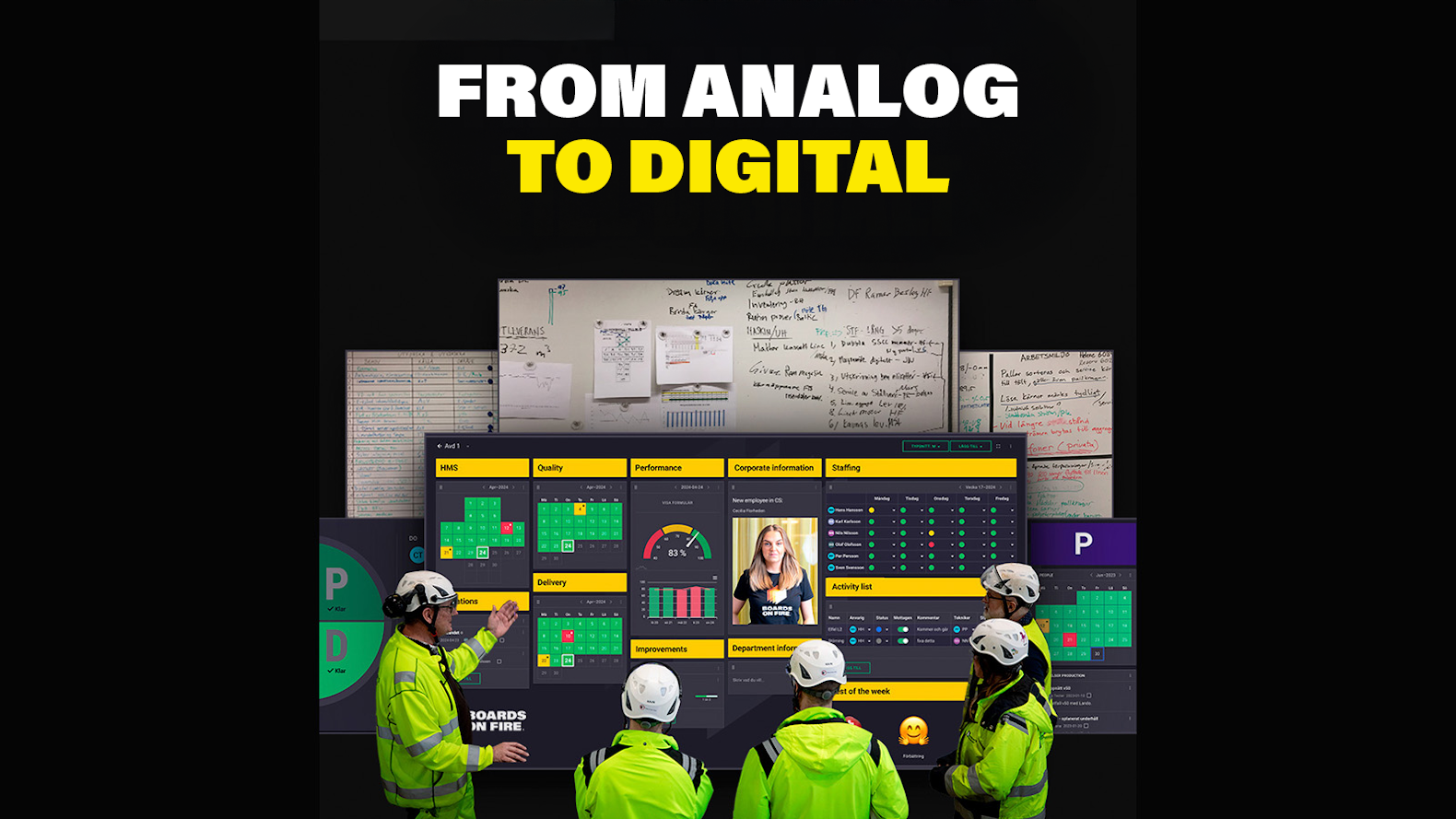
For many companies, the challenge of downtime is not only about technology but also about how information is collected, shared, and used within production.
When monitoring, communication, and improvement work rely on manual or analogue processes, it becomes more difficult to create a shared understanding of what is happening in production. This can lead to misunderstandings, slower decision-making, and in some cases unnecessary downtime or rework.
This is where digital solutions can play an important role.
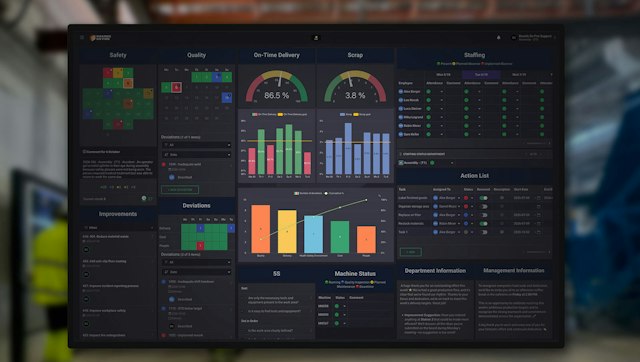
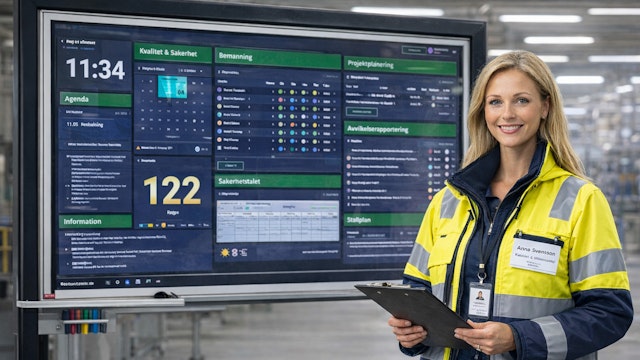
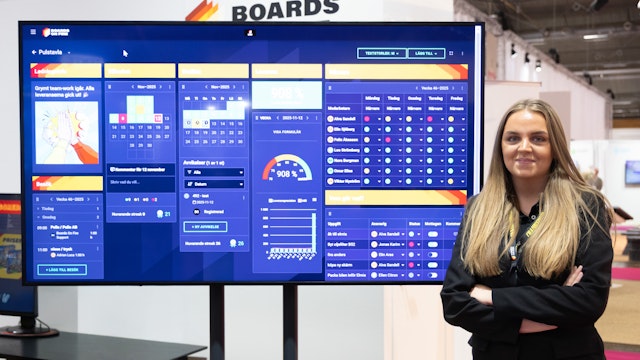
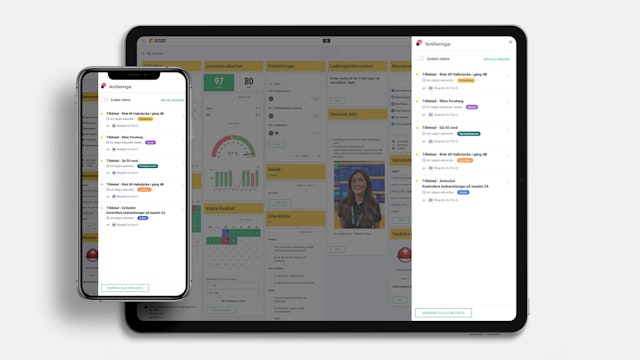
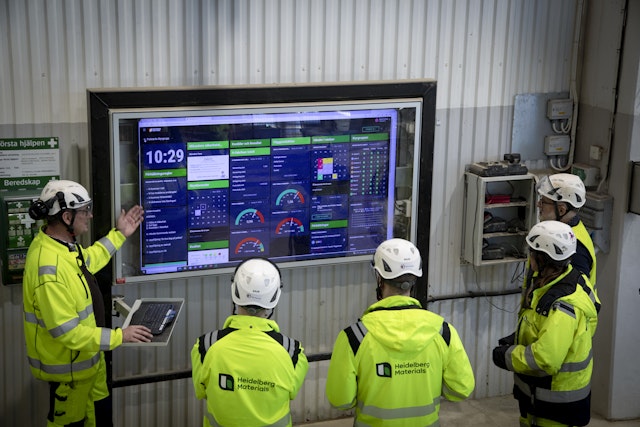
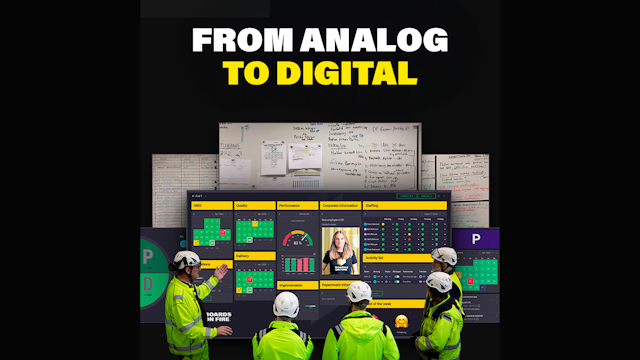
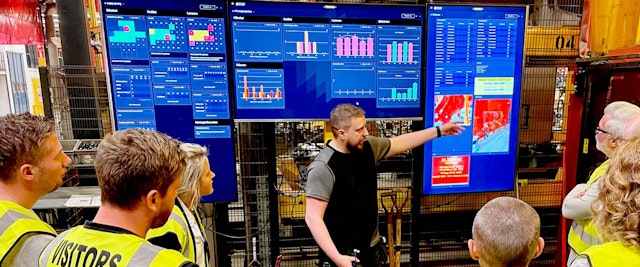
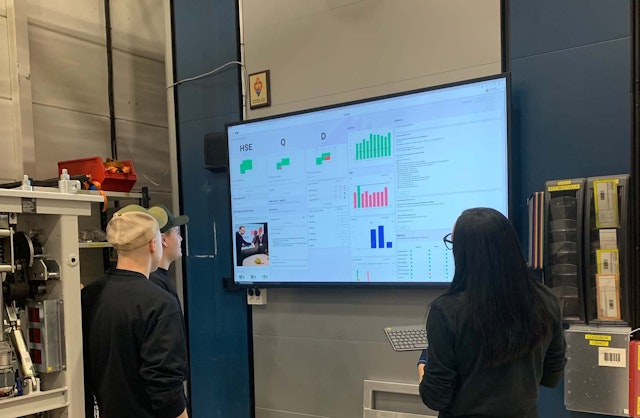
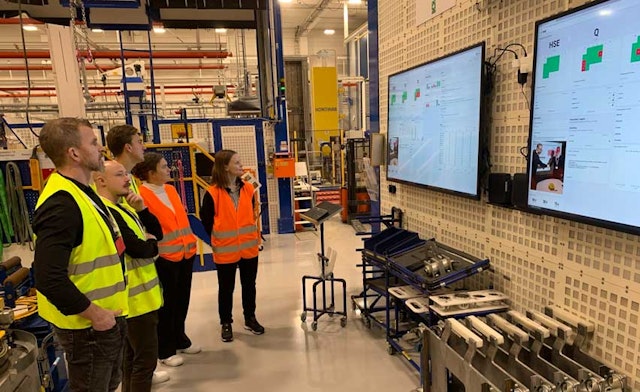
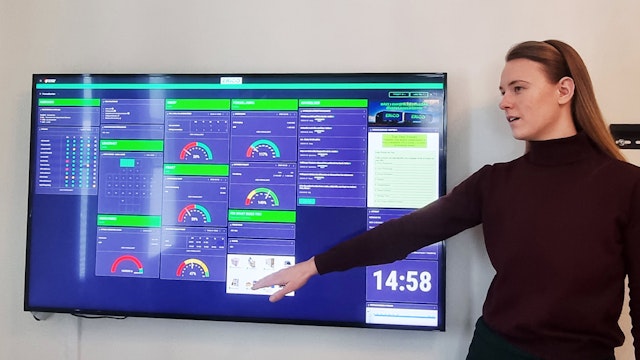
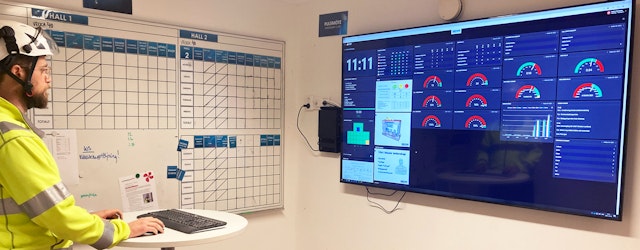
Through Boards on Fire’s digital solution for daily management, organizations gain better opportunities to collect, visualize, and share production data in real time. This makes it easier for teams to quickly understand what is happening in production and act when deviations occur, reducing the time between detection and action.
With digital workflows, for example:
The result is better control over production, reduced risk of rework, and more effective coordination between people, machines, and supply chains.
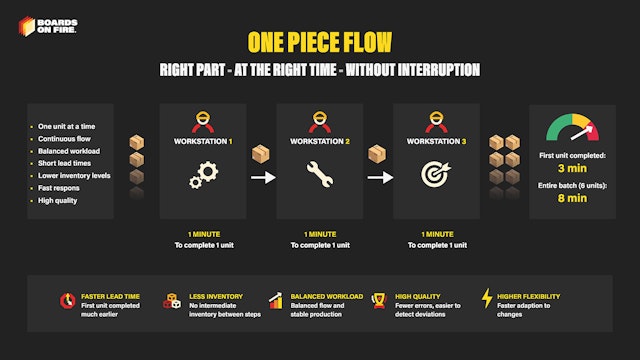
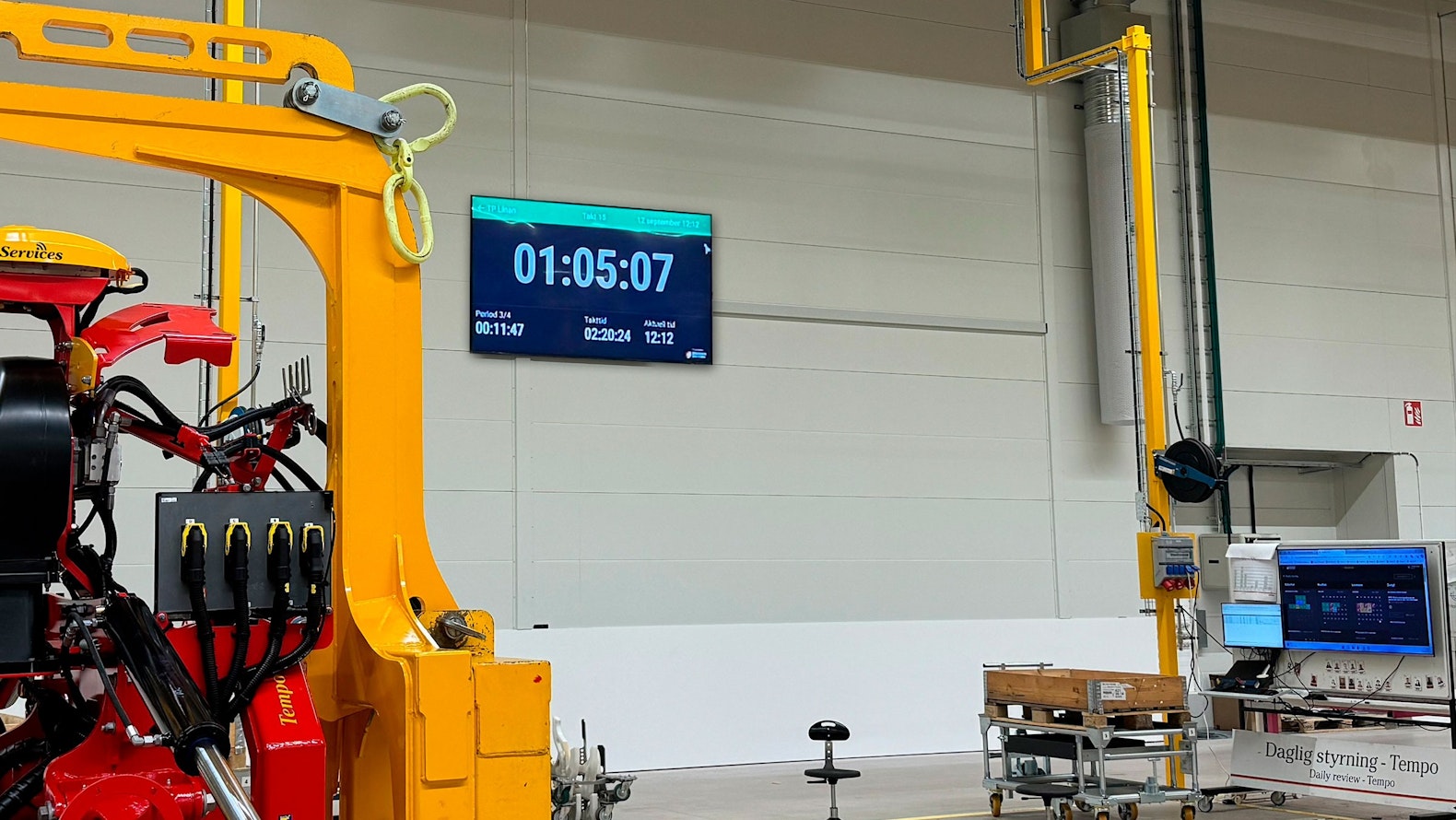
An important element in line production is working with takt flow, where production follows a planned pace that creates balance between different stages of the process.
By combining takt flow with real-time data from Boards on Fire, organizations can gain a clearer picture of how production actually performs compared to plan.
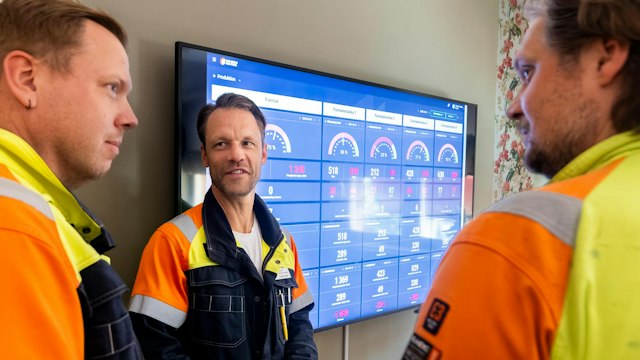
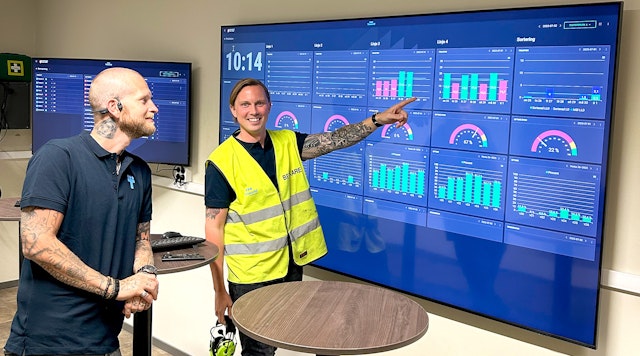
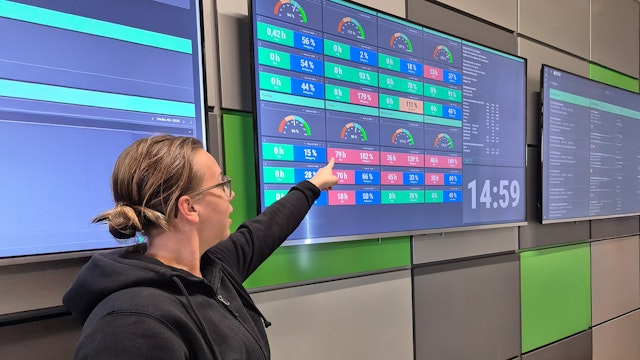
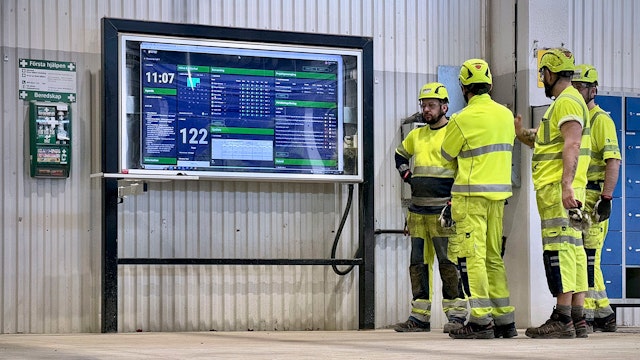
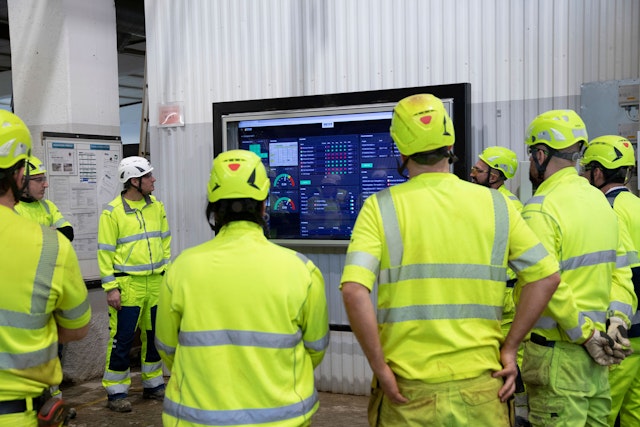
When production is visualized in real time, it becomes easier for operators, team leaders, and production management to quickly understand the current situation. Deviations can be detected earlier, and actions can be taken before minor disruptions develop into larger problems in the production flow. In this way, many stoppages can be prevented before they affect the entire production process.
This creates better conditions for:
By linking production pace to clear visualization and follow-up, Boards on Fire helps create a more stable and predictable production flow.
Many of the challenges discussed in this article are linked to limited transparency in production. When important information about deviations, improvement ideas, and follow-ups becomes stuck in manual processes or scattered systems, it becomes more difficult to act quickly and work systematically with improvements.
Boards on Fire was developed specifically to address these challenges.
The platform brings together the most important production information in one place and enables teams to visualize deviations, track goals, and drive continuous improvement as part of daily operations. By providing organizations with better insight into production and a shared tool for follow-up, the conditions are created for higher engagement, faster problem-solving, and more structured improvements.
Happens at Boards on Fire
Free web demo