
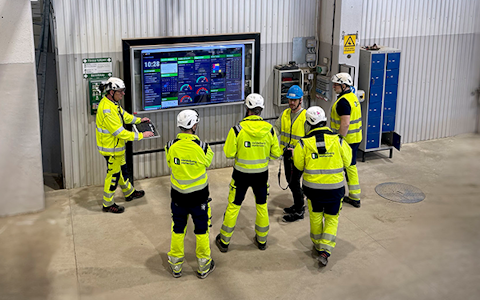
Digital dashboards that help you identify deviations and make the right decisions.
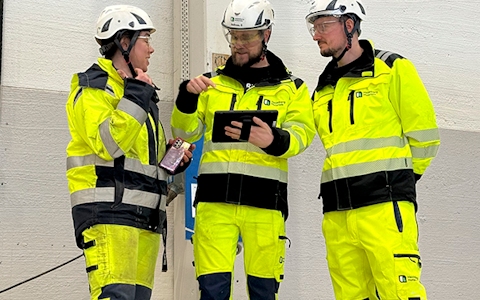
Continuous improvement, Kaizen boards, PDCA and other tools.
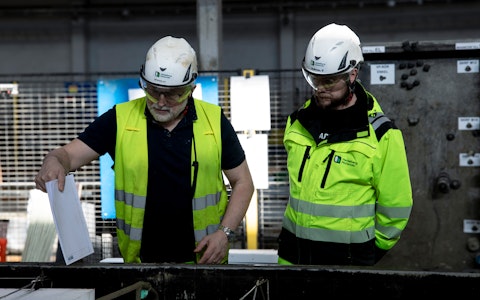
Capture your deviations and turn them into improvements

Real-time control for takt-based production. Detect disruptions as they happen, respond faster, and keep production on pace.

Integrate Boards on Fire with ERP, MES, OEE, Power BI and other systems. Automate data flows, reduce administration and act faster.
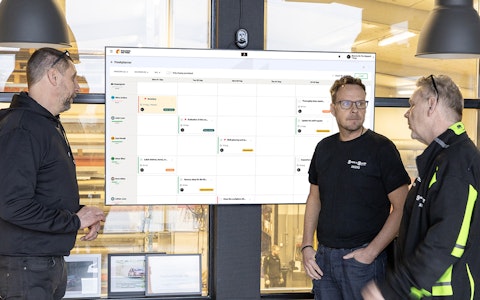
All your team’s tasks, neatly organized in one weekly view.
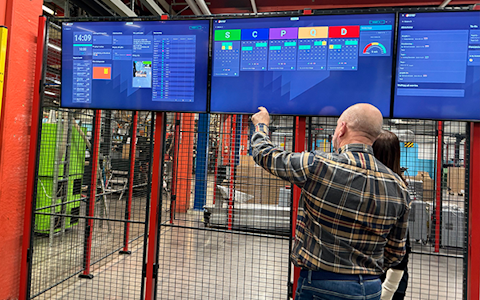
Improve key performance indicators within your specific focus areas with our SQCDP board.
Use the PDCA cycle as a tool to improve both quality and processes
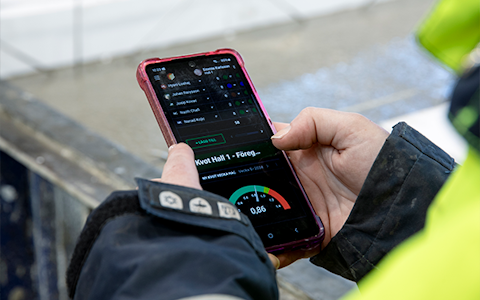
Digital tools for 5S work, recurring audits, and a well-organized workplace.
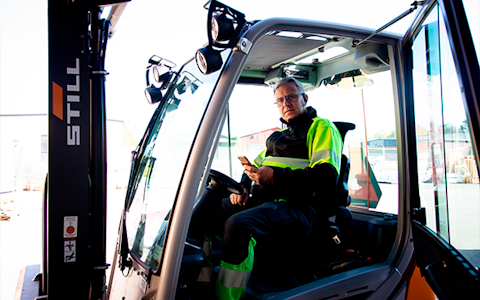
Basic project management and activity boards.
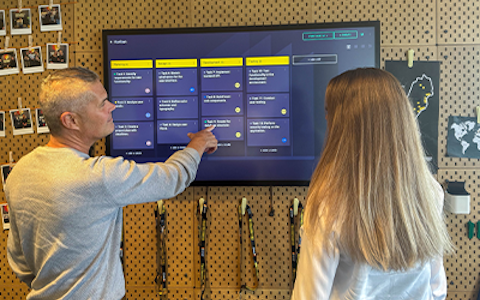
Kanban is a powerful method for visualizing, managing, and optimizing workflows.
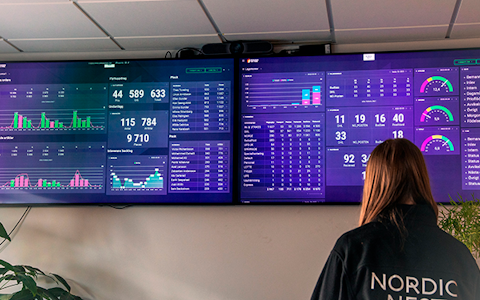
Visualize KPIs and communicate effectively throughout the entire organization.
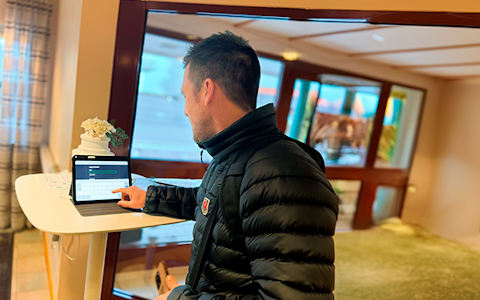
Digital visitor registration provides full control over all planned and executed visits to your business.
If you work in the manufacturing industry, you know how quickly conditions can change. Requirements evolve, demand increases, and the pace accelerates. To keep up, it’s rarely enough to simply refine existing ways of working, often a more fundamental rethink of how production is organized is needed. One such change is the shift from traditional batch production to single-piece flow, also known as one-piece flow.
One-piece flow means that each product moves continuously through production without waiting between steps.
A practical example is assembly. Instead of producing large batches in one stage and then moving them forward, each product follows the entire process from start to finish. This allows problems to be identified and addressed immediately, creating a smoother flow, shorter lead times, and less waste.
The result is a production process that better meets customer demands for quality and efficiency.
Benefits of One-Piece Flow
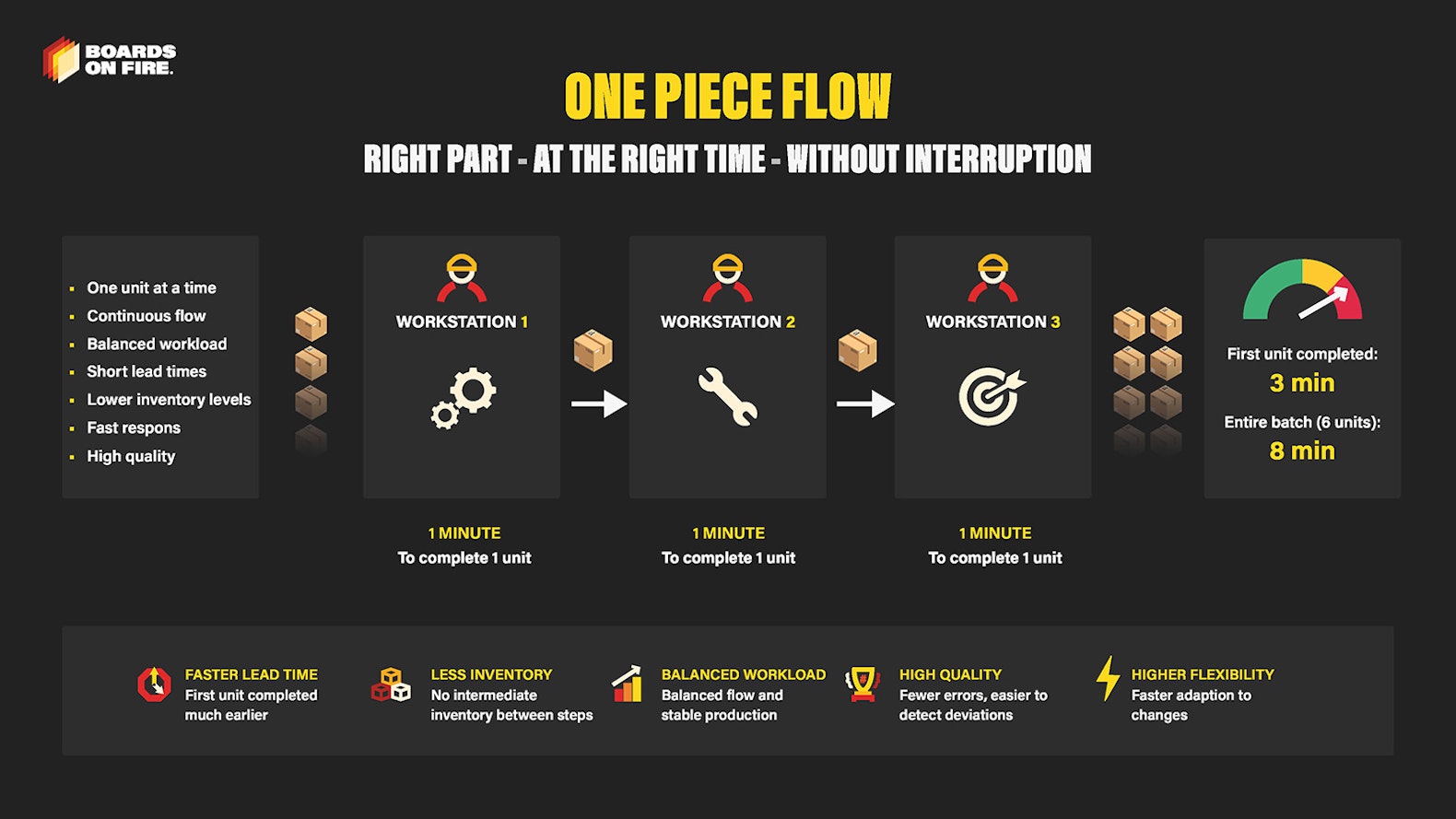
One-piece flow is a highly valued Lean method, not least because of its ability to deliver precision and efficiency in production. At the same time, it is not always the most obvious way of working. In traditional production, work is often carried out in batches, where many units are completed in one stage before being moved to the next.
While this can sometimes be efficient, it often results in products waiting between steps. This leads to higher inventory levels, longer lead times, and quality issues being discovered too late.
As illustrated, batch production differs from one-piece flow in how the process is organized. In a one-piece flow, each product moves continuously through the process without unnecessary stops between steps, creating better conditions for a smooth flow and a more flexible production system.
One-piece flow is most effective when work can move smoothly and continuously throughout the entire process. To achieve this, several key conditions need to be in place:
This way of working is particularly common in areas such as assembly lines, electronics manufacturing, food packaging, and other types of light manufacturing.
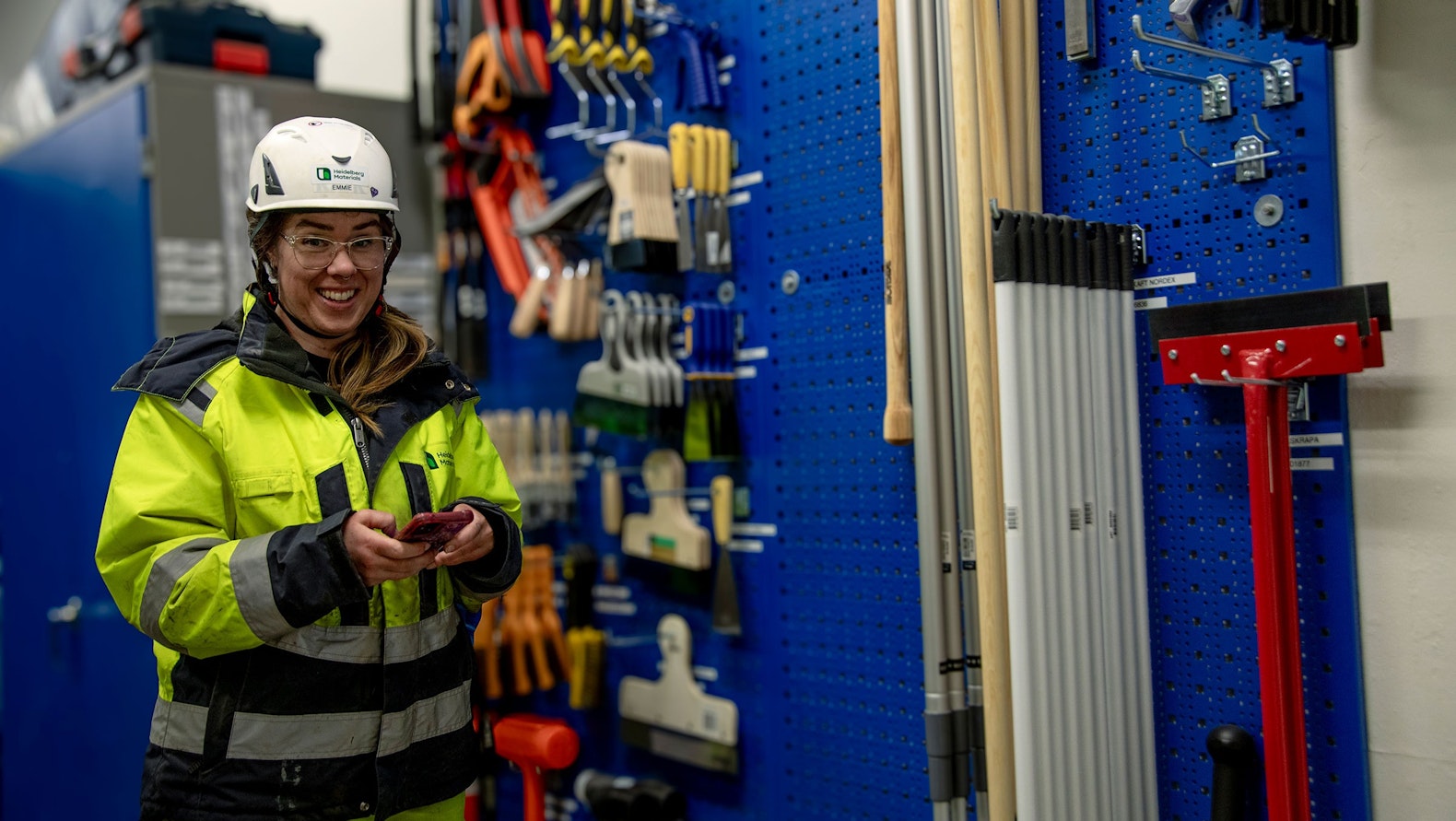
As with many ways of working, one-piece flow can present certain challenges, especially when transitioning from a traditional batch production system.
During major changes, communication is often a key challenge. When information is unclear or insufficient, it can create uncertainty within the organization. Without a clear vision, guidance, and support, the risk of frustration and confusion increases.
To successfully implement the change, it is crucial to clearly communicate the purpose and direction early on, and to provide employees with the right conditions through continuous communication, training, and day-to-day support.
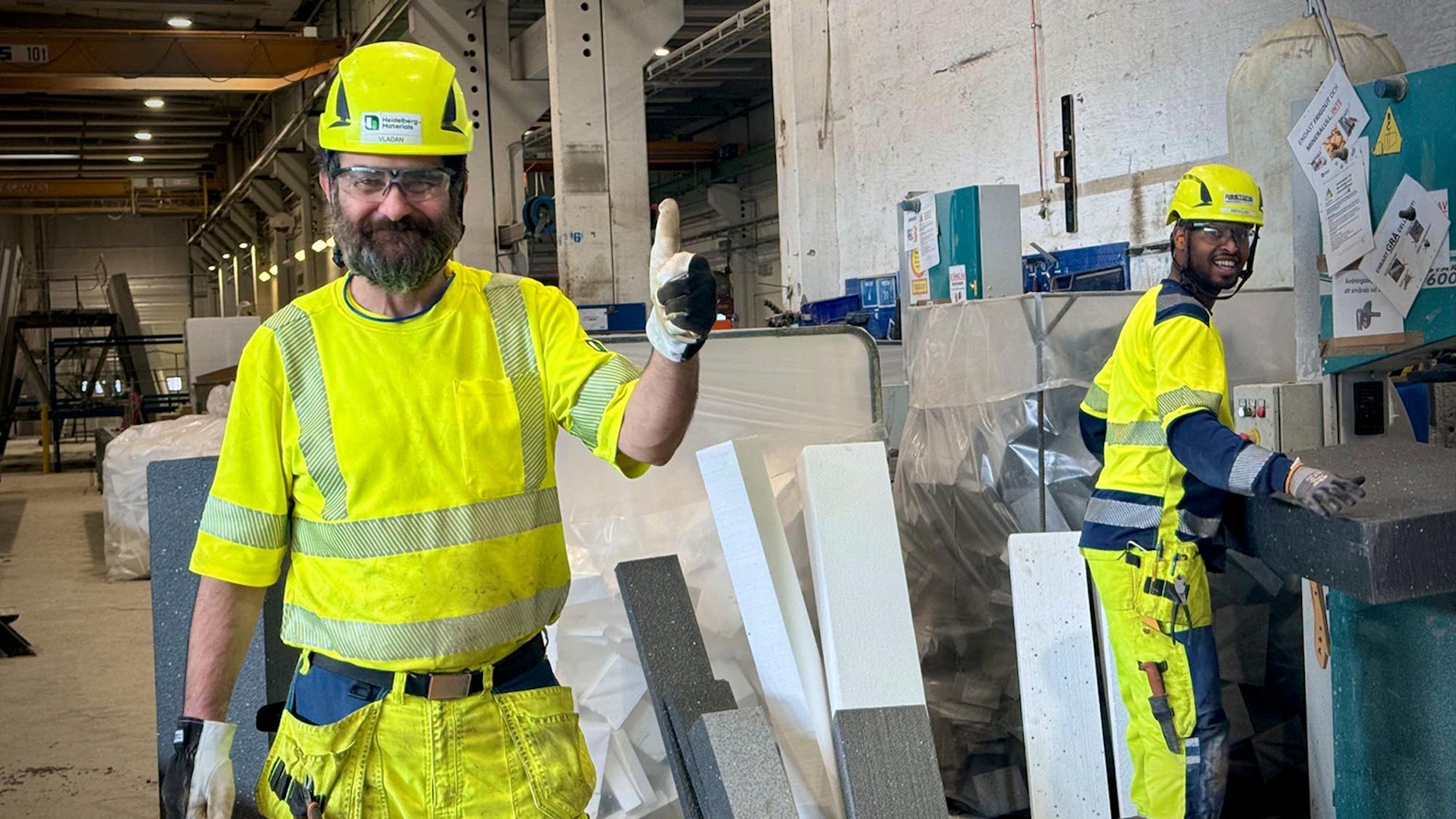
If your goal is to improve efficiency, one-piece flow may be a strong fit. It contributes to higher quality, shorter lead times, and a production system that is closely aligned with customer needs. At the same time, like many other methods, it requires clear follow-up and good visibility. This is where digital tools can play a crucial role.
Boards on Fire’s digital tools for daily management provide a clear overview of your production, its performance, and how you can work more systematically with improvements. They make it easier for employees and teams to access real-time data in their daily work, increasing transparency, strengthening productivity, and boosting engagement.
Interested in knowing more about Boards on Fire? Book a demo today!
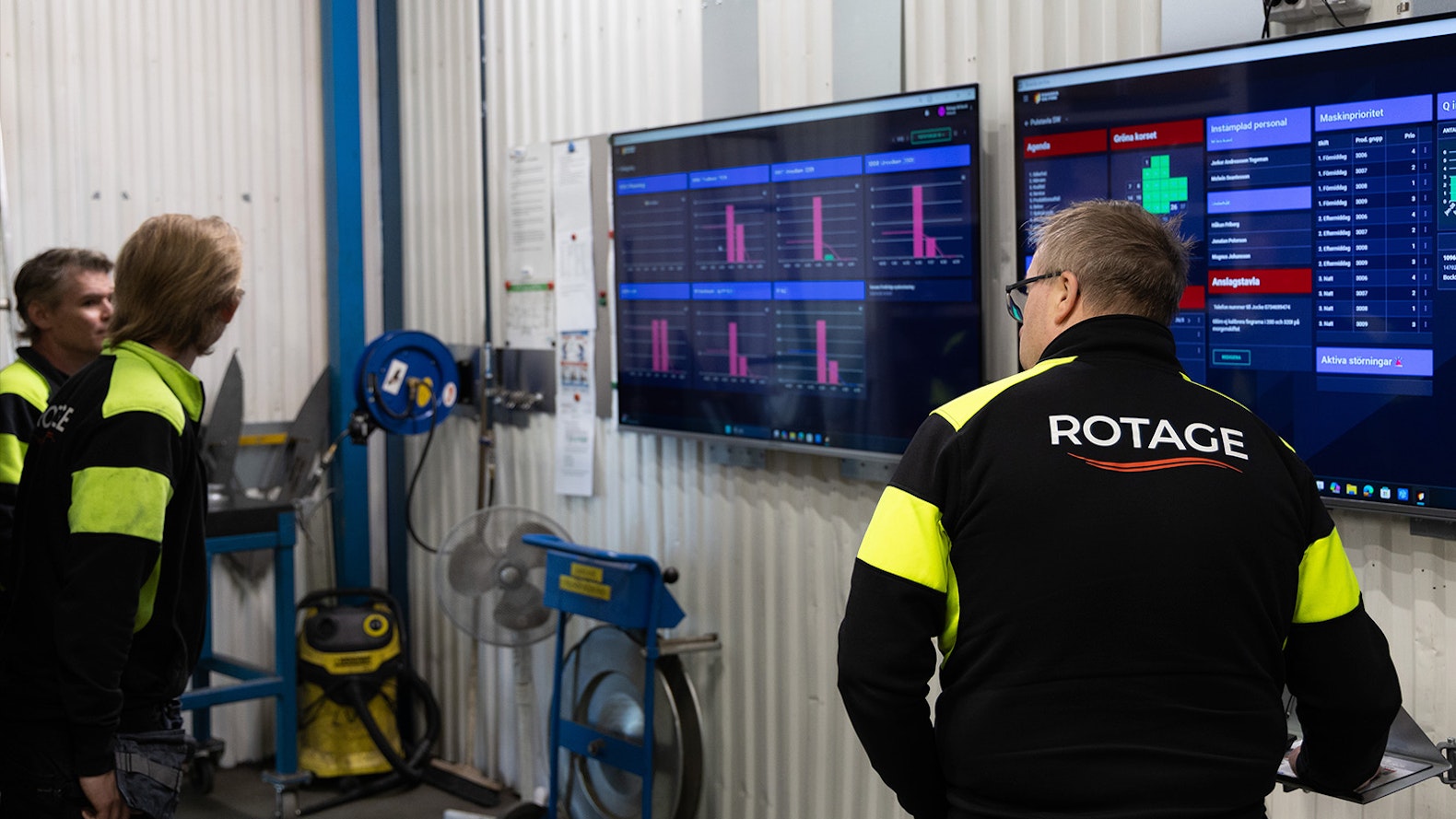
To make one-piece flow work in practice, the right conditions need to be in place. Production must be supported by methods that ensure the flow does not stop, become uneven, or create disruptions. Several Lean tools can play an important role here—areas where Boards on Fire can also provide support in daily operations:
Learn more about how our Customers benefits from Boards on Fire!
Free web demo


