

Digital dashboards that help you identify deviations and make the right decisions.

Continuous improvement, Kaizen boards, PDCA and other tools.

Capture your deviations and turn them into improvements

Real-time control for takt-based production. Detect disruptions as they happen, respond faster, and keep production on pace.

Integrate Boards on Fire with ERP, MES, OEE, Power BI and other systems. Automate data flows, reduce administration and act faster.
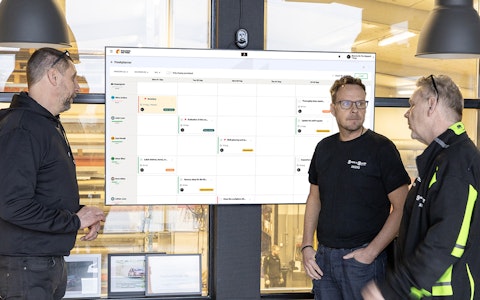
All your team’s tasks, neatly organized in one weekly view.
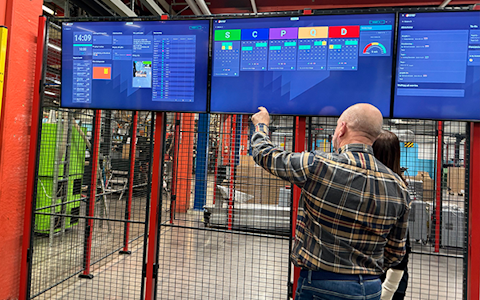
Improve key performance indicators within your specific focus areas with our SQCDP board.

Use the PDCA cycle as a tool to improve both quality and processes
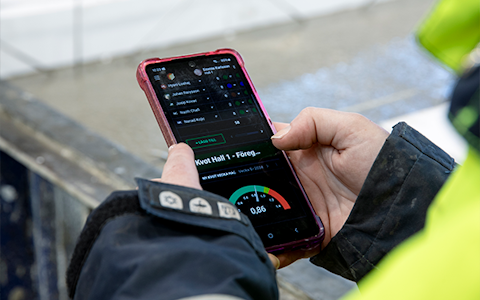
Digital tools for 5S work, recurring audits, and a well-organized workplace.

Basic project management and activity boards.
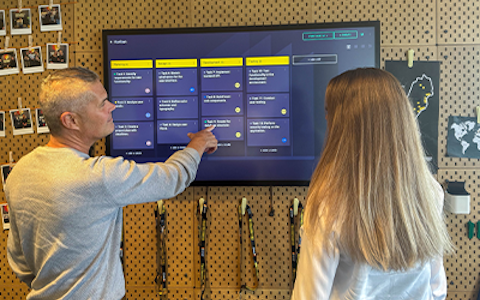
Kanban is a powerful method for visualizing, managing, and optimizing workflows.
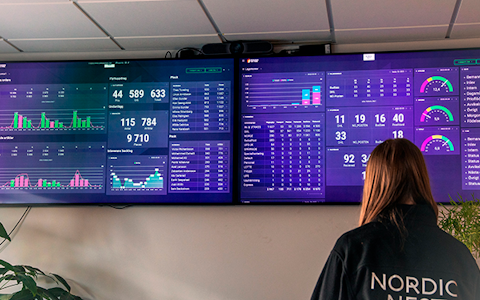
Visualize KPIs and communicate effectively throughout the entire organization.

Digital visitor registration provides full control over all planned and executed visits to your business.
The primary benefit of adhering to the naming conventions below is that you gain a better overview over the data sources and entities you use. If your organization consists of multiple sites in different locations, each using their own data sources and entities, it becomes easier to identify which ones belong to the different sites. This becomes particularly relevant if your organization is multilingual, as it ensures that everyone responsible for managing the service at your organization can understand what they are doing. Finally, having a clear naming structure makes it easier to ensure that integrated data appears in the right place.
When naming fields where you want to communicate ownership, start with the ownership and end with what it pertains to.
Example:
These names are recommended for use where applicable. They are used by various standard types of entities that we have, such as the Project module, Visit module, simple entities, etc.
| Key | Datatype | Description |
| name | String | Used for the field that describes the Entity Object |
| description | Text | A more detailed description of the Entity Object |
| responsible | User | Responsible person |
| start_date | Date/Datetime |
A start date/time of any kind |
| end_date | Date/Datetime | A end date/time of any kind |
| status | Status | The status of the Entity Object |
| tasks | TodoList | Tasks which belong to the Entity Object |
| position | Number | Which sorting order the Entity Object is going to have |
| date | Date / Datetime | Used, among other things, when you want to date stamp an entity object to be able to filter on it |
Free web demo
