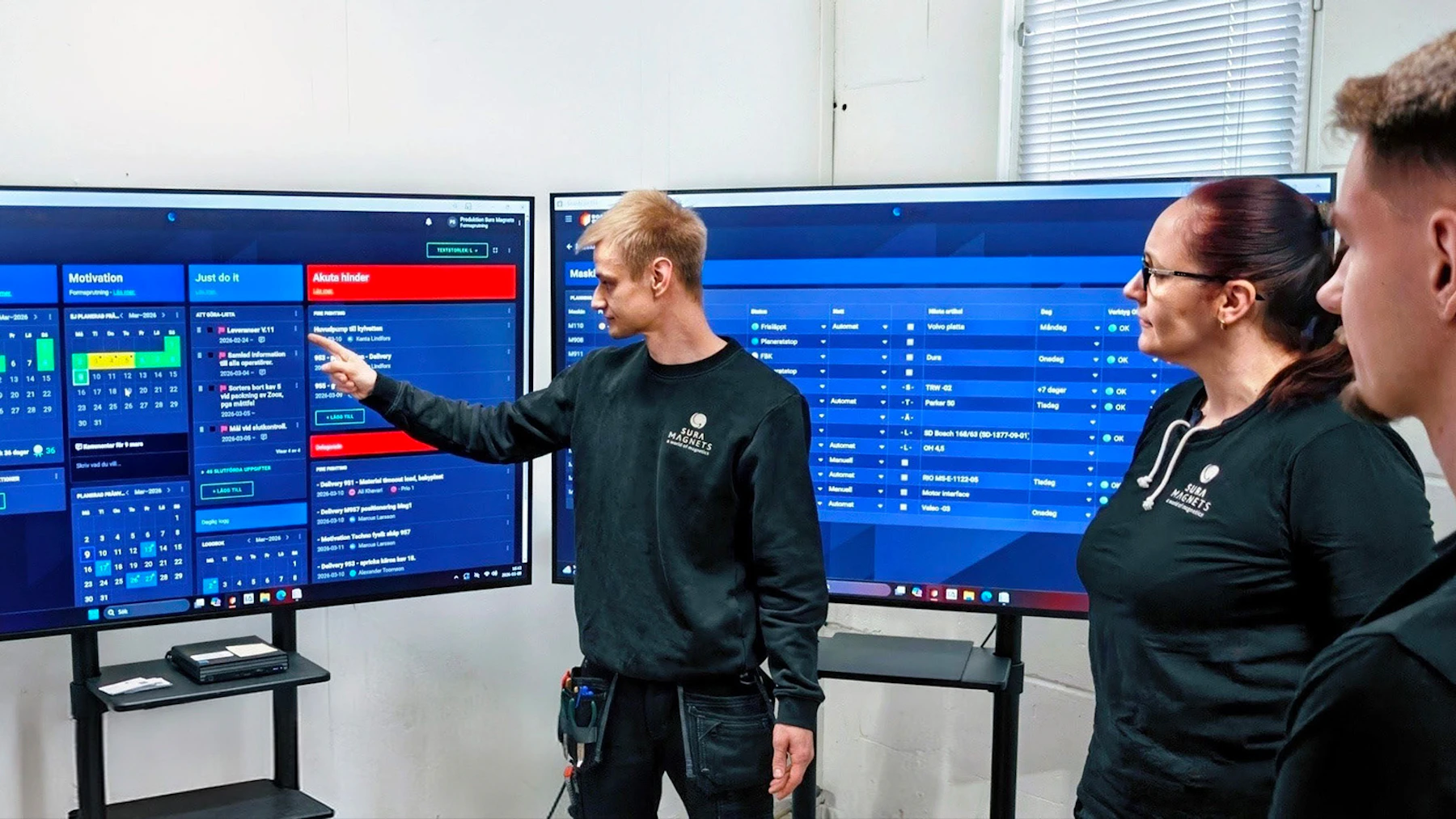
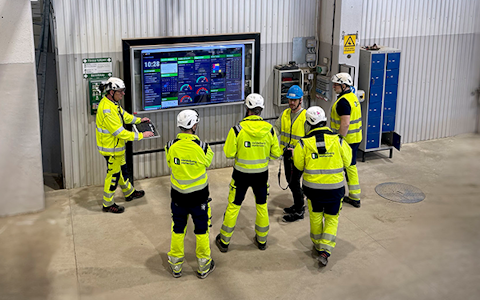
Digital dashboards that help you identify deviations and make the right decisions.
Continuous improvement, Kaizen boards, PDCA and other tools.
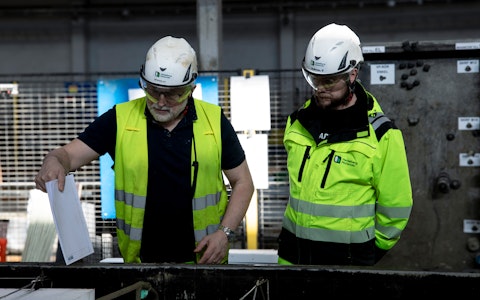
Capture your deviations and turn them into improvements

Real-time control for takt-based production. Detect disruptions as they happen, respond faster, and keep production on pace.

Integrate Boards on Fire with ERP, MES, OEE, Power BI and other systems. Automate data flows, reduce administration and act faster.
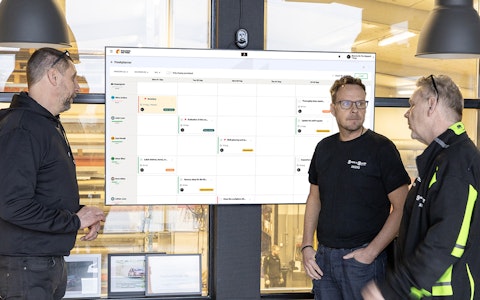
All your team’s tasks, neatly organized in one weekly view.
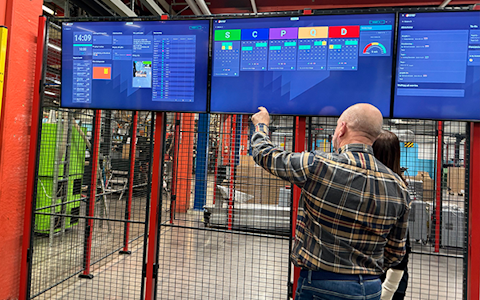
Improve key performance indicators within your specific focus areas with our SQCDP board.
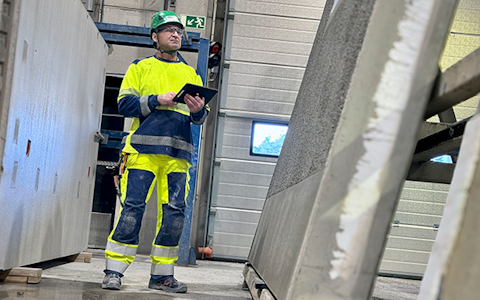
Use the PDCA cycle as a tool to improve both quality and processes
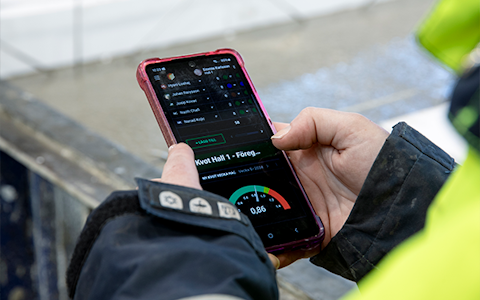
Digital tools for 5S work, recurring audits, and a well-organized workplace.
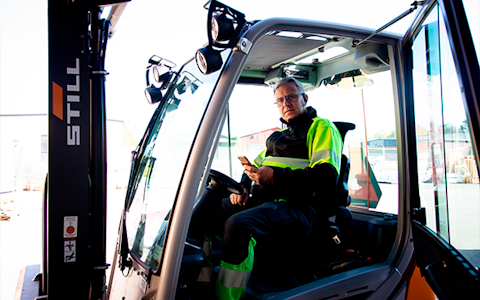
Basic project management and activity boards.
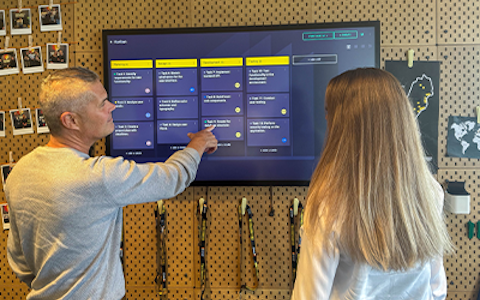
Kanban is a powerful method for visualizing, managing, and optimizing workflows.
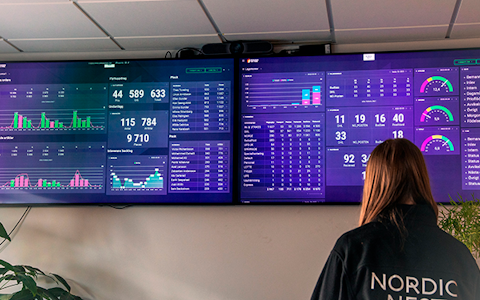
Visualize KPIs and communicate effectively throughout the entire organization.
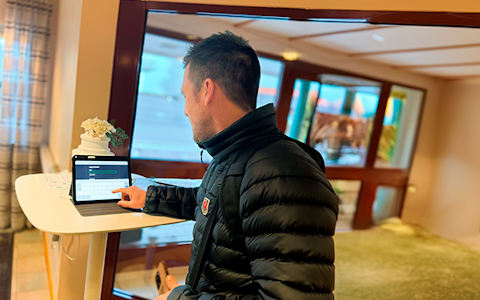
Digital visitor registration provides full control over all planned and executed visits to your business.
Are you producing less than planned even though your machines are running at full capacity? Are queues building up between production stages while some resources remain idle? If so, a hidden bottleneck could be the cause.
Regardless of industry, manufacturing operations strive to achieve a smooth production flow with high quality and strong cost efficiency. To succeed, resources, people, and processes must work together in a balanced way. Despite this, hidden inefficiencies often emerge that limit production performance. One of the most common challenges is bottlenecks.
A bottleneck occurs when one stage of the production process has a lower capacity than the rest of the system. Because the entire production flow is constrained by its most limiting resource, that resource determines the overall throughput. When capacity is insufficient, queues, waiting times, and flow imbalances arise.
A bottleneck is often a sign that the pace or rhythm of production has been disrupted. When flow no longer moves smoothly through the process, queues, delays, and imbalances affect the performance of the entire system.
This can lead to:
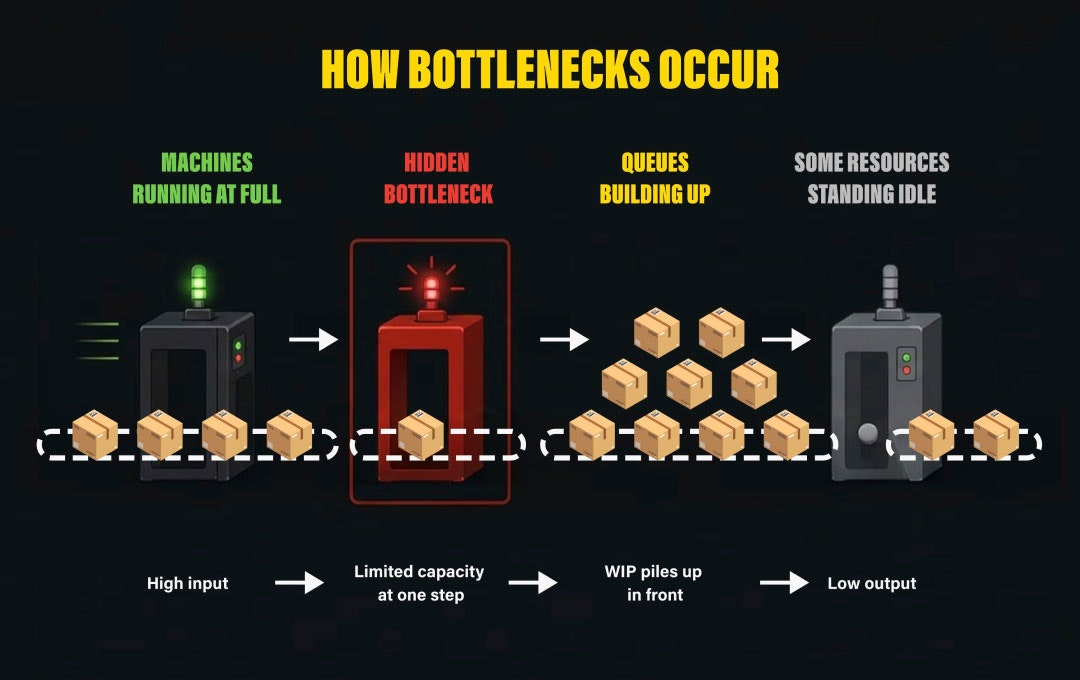
A bottleneck can occur anywhere in the production flow where capacity does not match demand. Some causes are easy to identify, while others develop gradually over time. Below are some of the most common factors that limit production efficiency.
Bottlenecks are not always easy to identify, but there are several clear indicators that can reveal capacity constraints within production.
To detect bottlenecks early, production flow must be made visible. When queues, deviations, and waiting times are visualized, it becomes easier to identify where capacity limitations occur. Common warning signs include:
Work and Materials Accumulating Before a Specific Process Step
If products or materials begin piling up in front of a machine or workstation, it is often a sign that this part of the production process cannot keep up with the rest of the flow.
Production Targets Are Consistently Missed
If you repeatedly produce fewer units than planned, one part of the process may be slowing down the entire operation.
Lead Times Are Longer Than Expected
When products spend more time in production than anticipated, it is often the result of waiting times caused by a bottleneck.
Some Resources Are Overloaded While Others Remain Idle
If one machine or workstation is constantly busy while others are underutilized or standing idle, the production flow is likely unbalanced.
Overtime Is Frequently Required
If employees regularly need to work overtime to meet production targets, it may indicate insufficient capacity in part of the process.
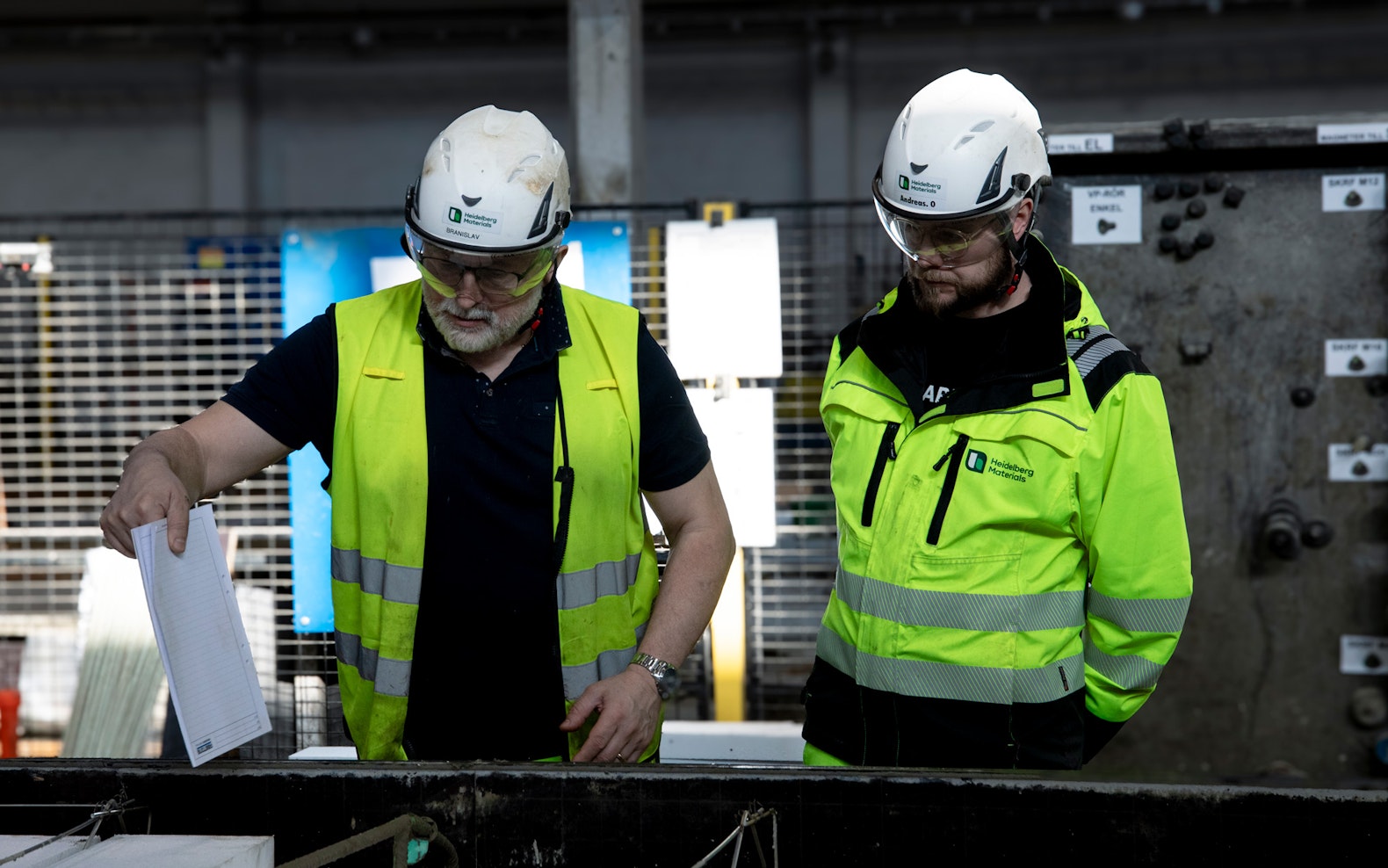
Once a bottleneck has been identified, several approaches can help reduce its impact:
By continuously monitoring production and driving improvement initiatives, bottlenecks can be identified and addressed before they negatively impact operations.
Identifying a bottleneck is only the first step. The real challenge lies in detecting problems early, understanding the root causes, and ensuring that corrective actions are implemented and followed up. This is where digital tools can play a crucial role.
A common challenge is that bottlenecks are often discovered only after production targets have already been affected. Preventing these issues requires real-time visibility into operations, structured problem-solving, and continuous follow-up. Lean methodologies provide a strong foundation, but digital tools make it possible to identify deviations faster, improve collaboration, and make more data-driven decisions.
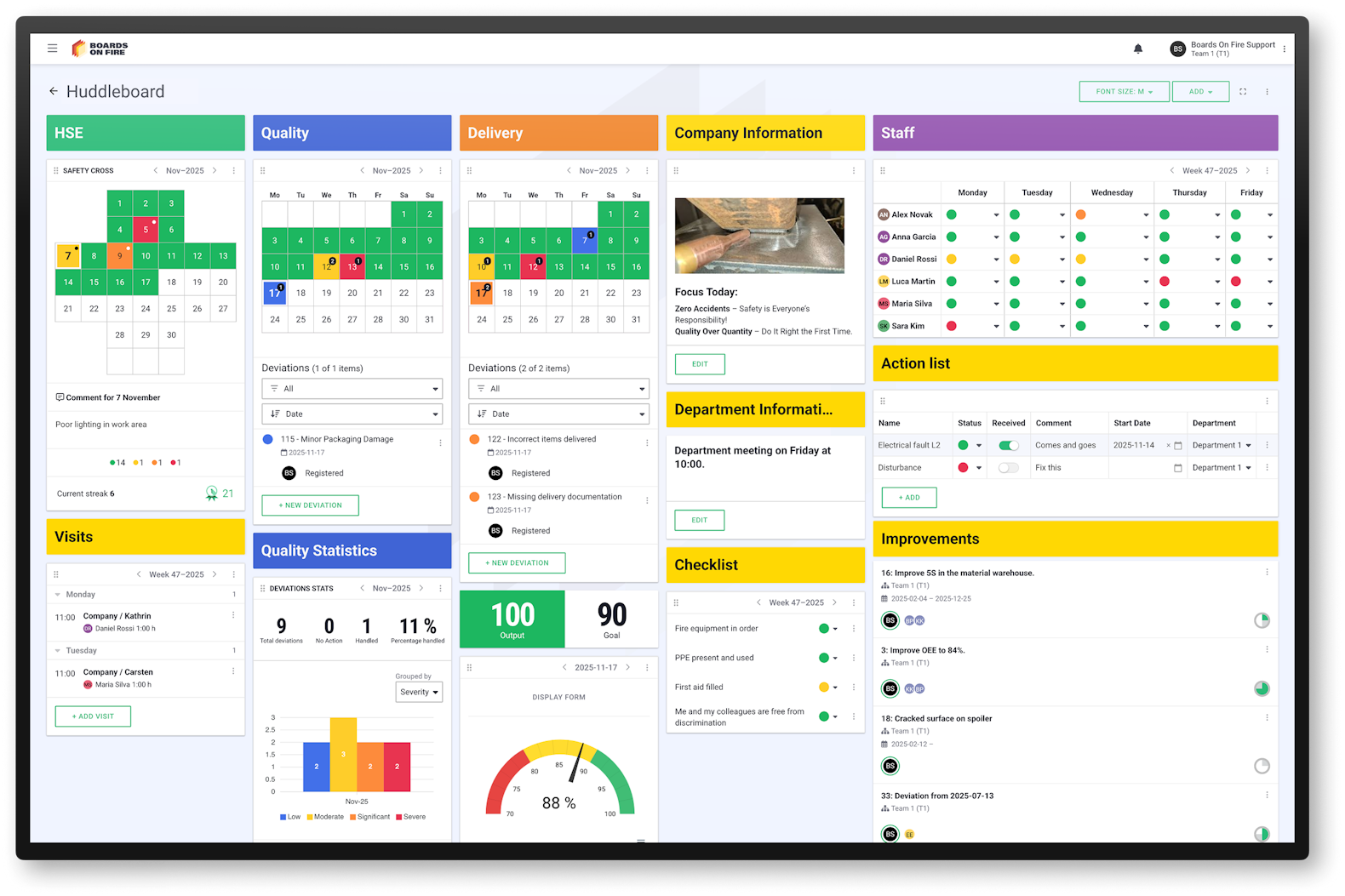
With Boards on Fire, manufacturing companies gain digital support for turning improvement initiatives into action. Through digital daily management, teams share a common view of production status, making it easier to identify deviations before they develop into larger problems.
Digital checklists ensure that critical activities are carried out consistently, while standardized workflows reduce variation and the risk of recurring issues. The platform also makes it easy to establish a structured cadence where goals, deviations, and improvement actions are continuously monitored—from the shop floor to management.
When KPIs, activities, and improvement initiatives are brought together on a single platform, it becomes easier to identify bottlenecks early, prioritize the right actions, and ensure that improvements are actually implemented.
Would you like to identify bottlenecks earlier, create a smoother production flow, and ensure that improvement actions are followed through? Discover how Boards on Fire helps manufacturers visualize workflows, manage deviations, and drive continuous improvement in daily operations.
Free web demo